
The Complete Guide to Choosing a Baby Carrier in Singapore
As Singapore's humidity climbs past 80% on most afternoons, a baby carrier Singapore parents can actually wear for more than twenty minutes without overheating becomes less of a nice-to-have and more of a daily necessity. Whether you're navigating Orchard Road with a stroller-averse toddler or need both hands free at the wet market, the right carrier changes how manageable those hours feel. This guide walks through the main carrier types available, how to choose by your baby's age and weight, what Singapore's climate should change about your shortlist, and the safety checks worth doing before you commit to a purchase.
Types of Baby Carriers Available in Singapore
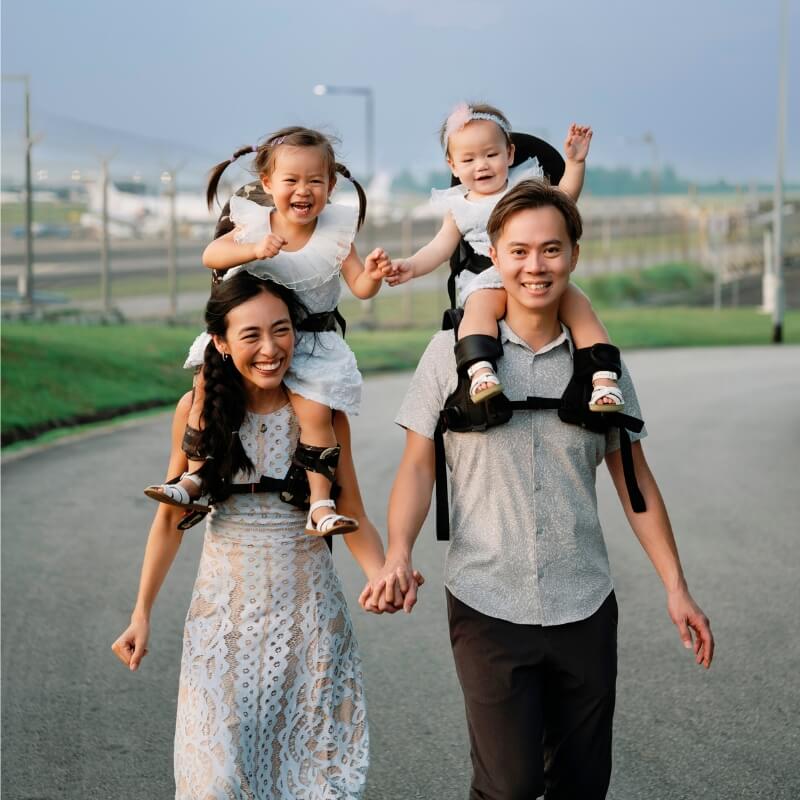
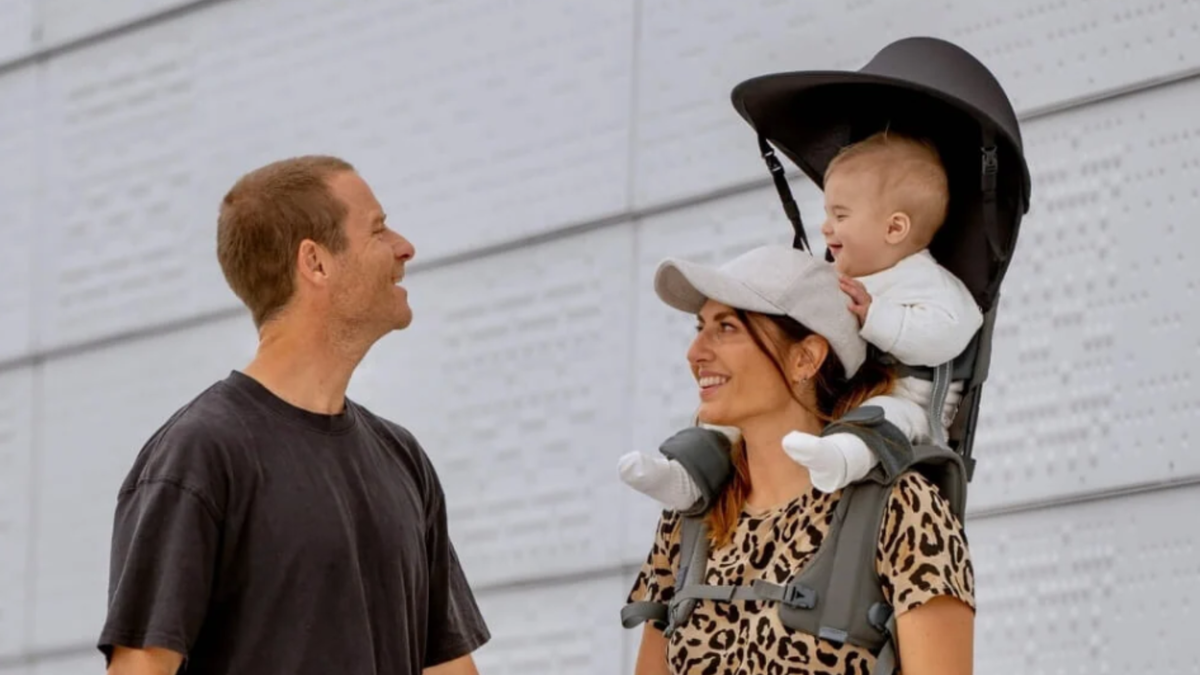
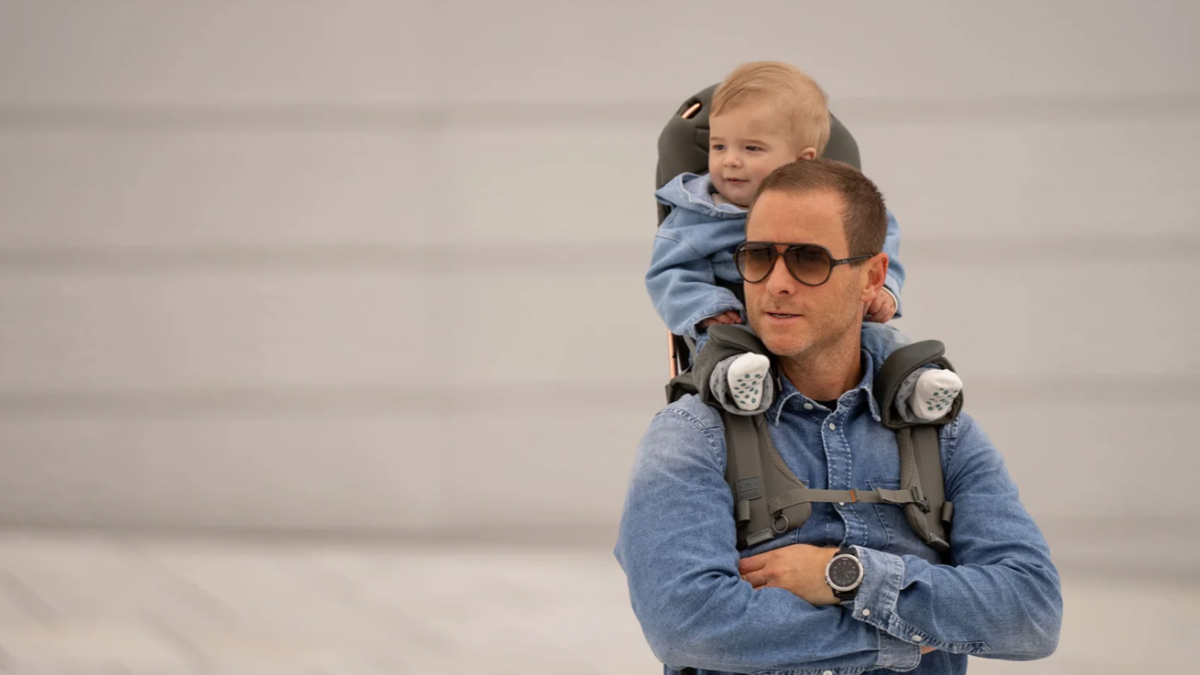
Most carriers on the market fall into four broad categories. Soft-structured carriers (SSCs) use padded shoulder straps and a waist belt to distribute weight across your hips and shoulders, and they're generally the easiest for new parents to adjust correctly without help. Wraps and slings — long pieces of fabric tied or looped around the body — offer more customisation in fit and carrying position, but come with a steeper learning curve than a buckle carrier. Hip seat carriers add a rigid, padded seat at hip height that takes some of the weight off your arms and shoulders, which makes them popular with parents of toddlers who want to be picked up and put down frequently throughout the day. Shoulder carriers, like our MiniMeis shoulder carriers, are a newer category built specifically for older babies and toddlers who've outgrown a front carry but still need to be carried through crowds, queues, or uneven ground — the child sits securely on your shoulders in a harness system rather than against your chest or back.
Each type suits a different stage and a different parenting style, so it's worth thinking about how you'll actually use the carrier day to day — daily commutes, weekend outings, air travel, or a mix — rather than which style looks most popular online.
Choosing by Baby's Age and Weight
Newborns (0–4 months) need a carrier that supports the head, neck, and spine fully, since their neck muscles aren't yet strong enough to hold their head up independently for extended periods. Most soft-structured carriers and wraps offer an infant insert or a narrower newborn setting specifically for this stage. Once your baby can hold their head up unassisted, usually somewhere between 4 and 6 months, a wider range of carrying positions becomes appropriate, including front-facing-out carries in some SSC models designed for it. From roughly 6 months onward, back carries become an option for many parents — genuinely useful once your baby is heavier and you need better weight distribution for longer outings around Singapore.
Hip seat and shoulder carriers generally suit babies from around 6–7 months, once they can sit unsupported and hold their head steady, through to full toddlerhood, with most shoulder carriers rated up to around 20kg — well past the point most soft carriers become impractical for either parent or child. Always check the manufacturer's stated minimum and maximum weight or age recommendations rather than assuming one carrier will comfortably cover "birth to toddler"; a carrier that's excellent for a 3-month-old is rarely the best choice for an active 3-year-old, and vice versa.
Why Singapore's Climate Changes What You Should Look For
Singapore's average humidity sits well above what most carrier fabrics are originally designed for, and that has real consequences for both comfort and safety. Heat rash, prickly heat, and general fussiness are common complaints from parents using thick, non-breathable carriers in tropical conditions, particularly during the middle of the day. Look specifically for mesh ventilation panels or moisture-wicking fabric blends, particularly around the areas where your body and your baby's body stay in prolonged, direct contact — the chest panel, waist belt, and shoulder straps.
Buckle and clip hardware matters more here than in cooler climates too. Metal hardware sitting against skin can heat up quickly under direct sun, so plastic or coated hardware tends to be more comfortable for extended outdoor wear across a Singapore afternoon. If you're regularly out during the hottest stretch of the day, prioritise a carrier with visible ventilation and a lighter overall fabric weight over one chosen purely on appearance.
Safety Checks Before You Buy

A few checks are worth doing regardless of which carrier type you eventually choose. First, confirm the carrier supports a hip-healthy, "M-position" seat for your baby's legs — knees positioned higher than the hips, in an M or frog-leg shape — which is the position widely recommended for healthy hip joint development in infants. Second, check that the design keeps your baby positioned close enough that you could comfortably kiss the top of their head, a simple rule of thumb that generally correlates with both safe positioning and adequate airway space for younger babies.
According to the International Hip Dysplasia Institute, carriers supporting the M-position leg seat are associated with healthier hip joint development in infants, which is why this check matters more than most buyers initially assume. Third, verify the weight rating matches your baby's current and near-future weight. Finally, check construction quality — stitching at stress points (straps, buckles, seat panel) should be visibly reinforced, not a single pass.
Ergonomic vs Non-Ergonomic: What's the Difference
"Ergonomic" gets used fairly loosely in carrier marketing, but the meaningful distinction is whether the carrier actually supports the natural M-position leg seat and a gently rounded, not flattened, spine position for young infants. The American Academy of Pediatrics notes that babywearing, done correctly, can support bonding and development, but cautions that positioning matters — non-ergonomic carriers, often the cheaper, narrow-based "crotch-dangle" style still sold widely online, put more sustained pressure on a baby's hip joints and spine over time, which matters more the longer and more frequently a carrier gets used through the week.
If you're weighing a traditional carrier against a shoulder-style option for an older baby, it's worth understanding how MiniMeis compares to traditional carriers, since the better choice often depends less on brand and more on your toddler's current age and how long your typical outings run.
Frequently Asked Questions
What age can I start using a baby carrier?
Most soft-structured carriers and wraps can be used from birth with an appropriate infant insert, provided the carrier fully supports the head, neck, and spine. Always check the specific manufacturer's minimum age and weight guidance before your first use.
Are hip seat carriers safe for a baby's hips?
Yes, when the seat maintains the M-position leg posture recommended for healthy hip development. It's worth avoiding seats that force the legs into a straight, dangling position instead.
How do I stop my baby from overheating in a carrier in Singapore's weather?
Choose a carrier with mesh or moisture-wicking panels, dress your baby in breathable, lightweight layers underneath, and avoid extended carrying sessions during the hottest parts of the day where possible.
What's the difference between a shoulder carrier and a hip seat carrier?
A shoulder carrier positions the child on your shoulders in a secured harness, well suited to toddlers navigating crowds or uneven terrain, while a hip seat sits at your hip and supports a more traditional front or side carry — each suits different toddler weights, ages, and outing styles.
Final Thoughts
Choosing a baby carrier in Singapore comes down to matching the carrier type to your baby's age and weight, checking for climate-appropriate, breathable materials, and confirming the hip-healthy positioning that supports comfort for both of you over the long run. Browse our baby carrier collection to compare options suited to Singapore's climate, or visit SavvyMamaSG to explore our full range of curated baby and mummy essentials.
Ready to find the right carrier? Shop our baby carrier collection today.
REFERENCES:
1. International Hip Dysplasia Institute. (2024). Healthy Hip Positioning in Baby Carriers. IHDI. https://hipdysplasia.org/baby-carriers-swaddling-and-hip-dysplasia/
2. American Academy of Pediatrics. (2023). Babywearing: Benefits and Safety Guidelines. HealthyChildren.org. https://www.healthychildren.org/English/family-life/family-dynamics/Pages/Baby-Wearing.aspx

Leave a comment
This site is protected by hCaptcha and the hCaptcha Privacy Policy and Terms of Service apply.