

Uncle Goose
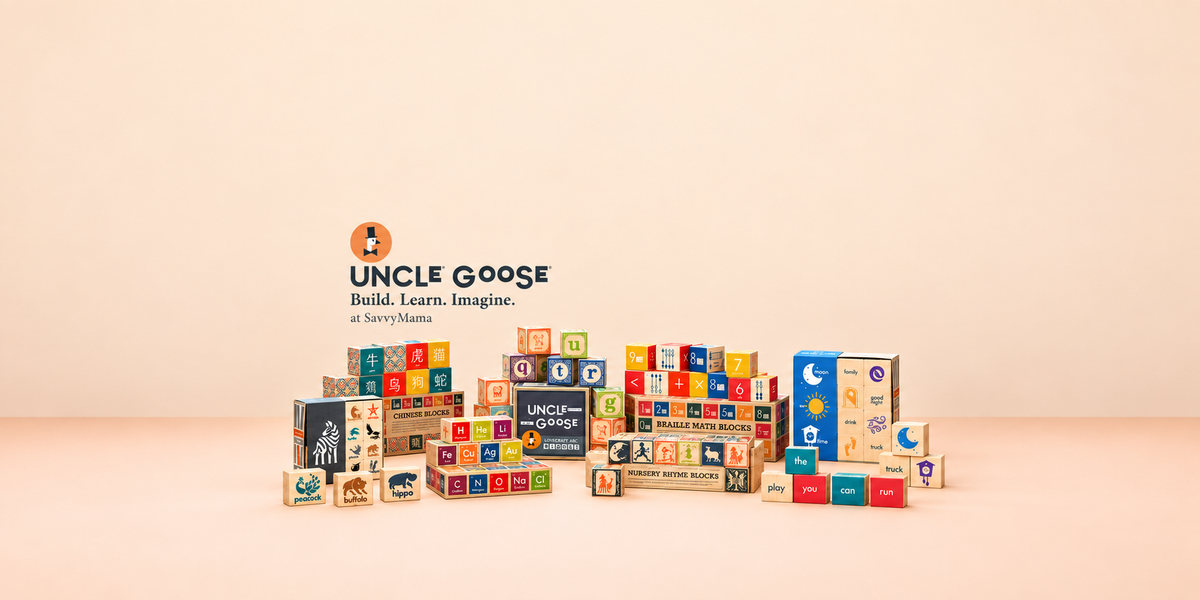
Uncle Goose Keepsake Blocks are more than just toys; they're gateways to endless creativity for both children and adults. Crafted in Michigan using natural, untreated basswood, Uncle Goose wooden blocks are a testament to quality craftsmanship. Each block is designed to last, ensuring hours of safe and enjoyable play for generations to come. All Uncle Goose wooden blocks do not have coatings or harmful chemicals. Experience the magic of building dreams, one block at a time, with these educational toys.
Filters
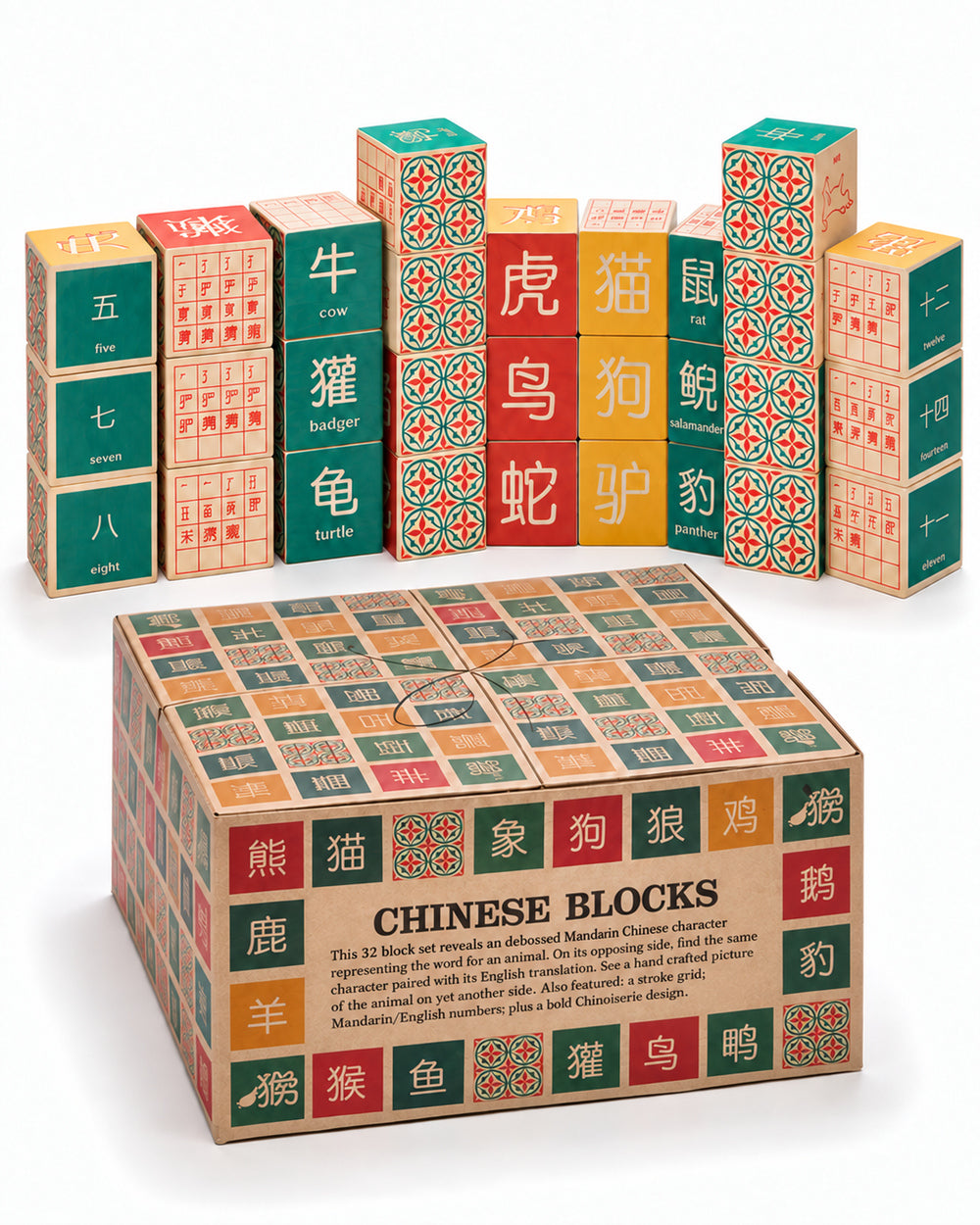
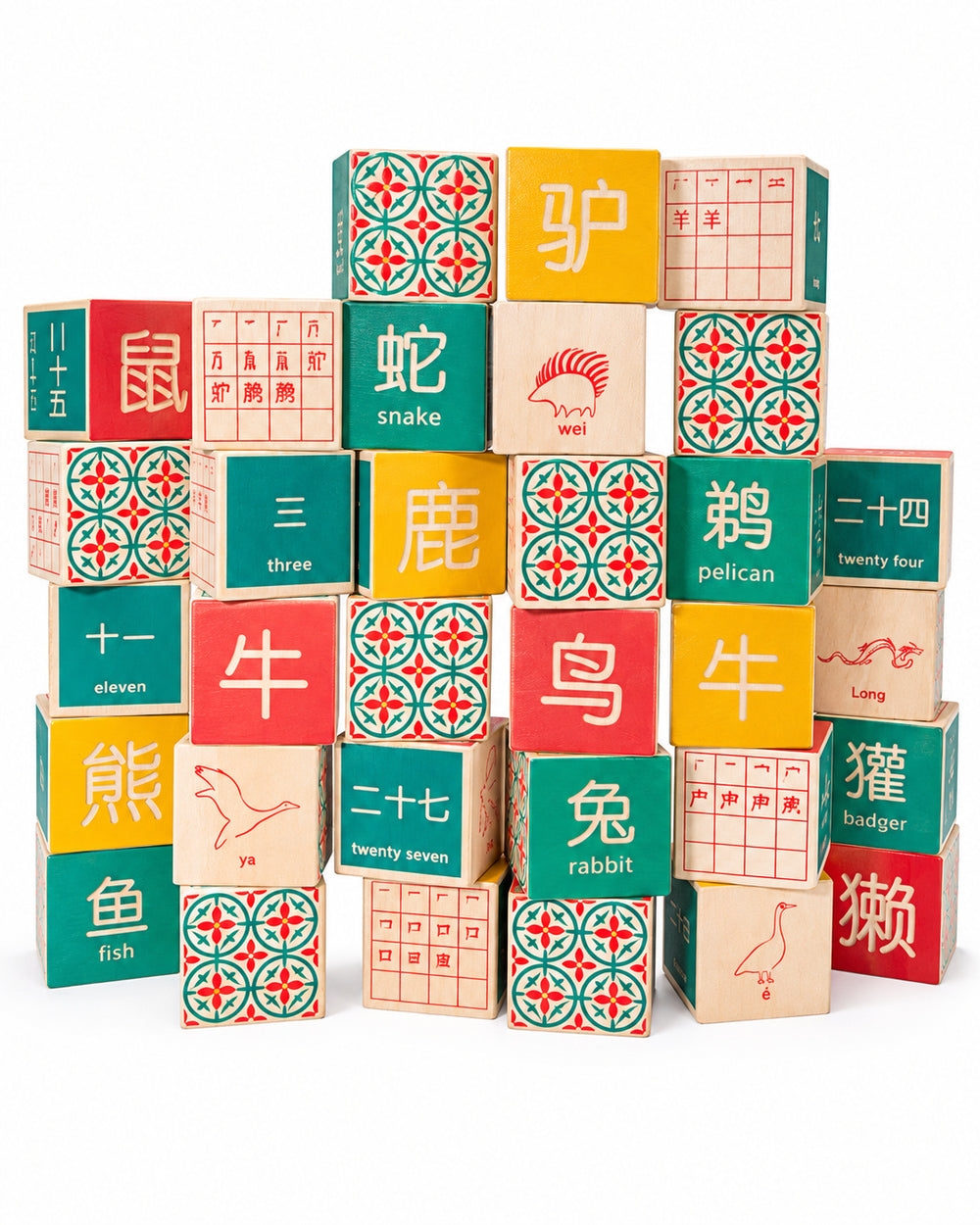
Uncle Goose | Chinese Blocks
Sale price$75.00 SGD
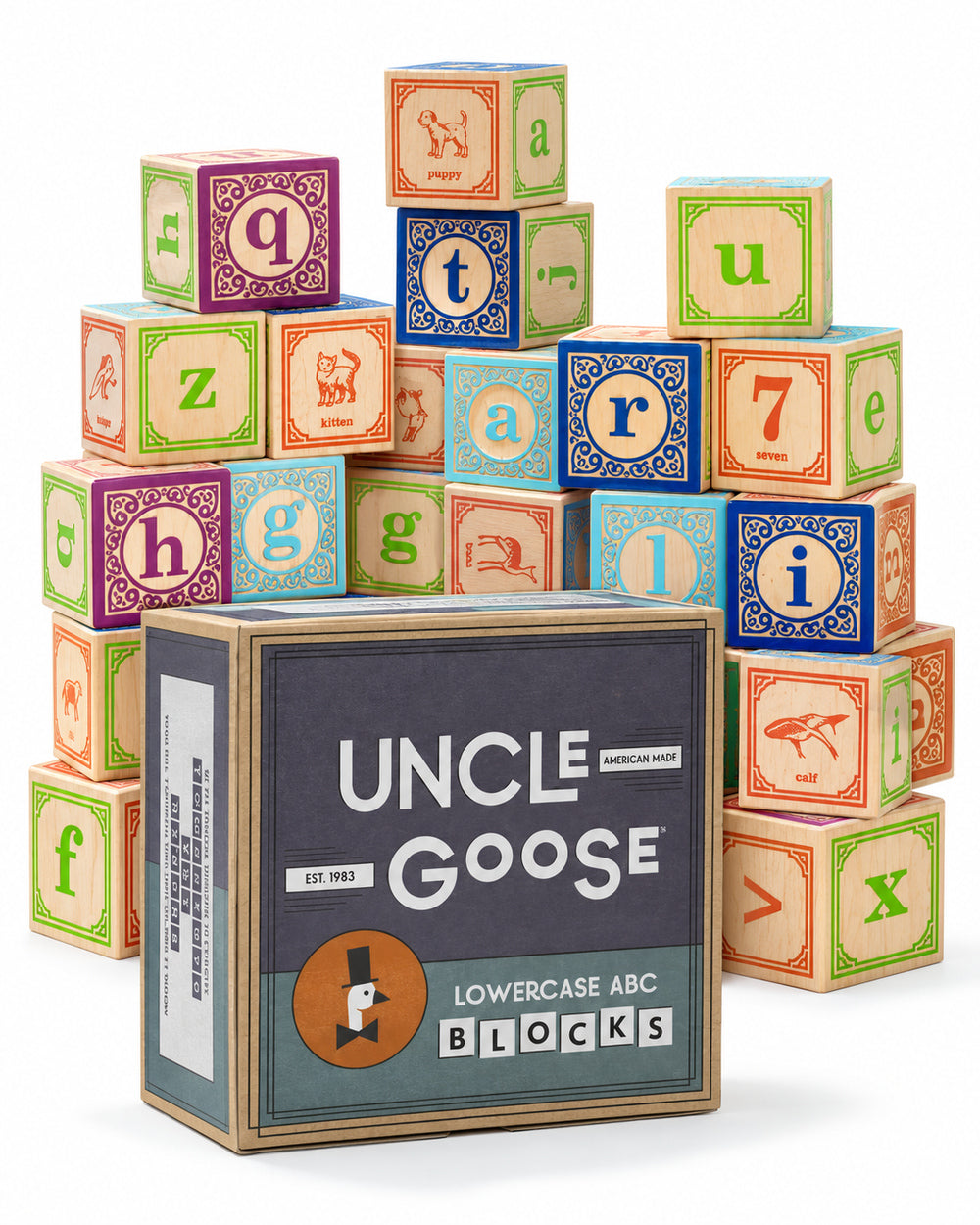
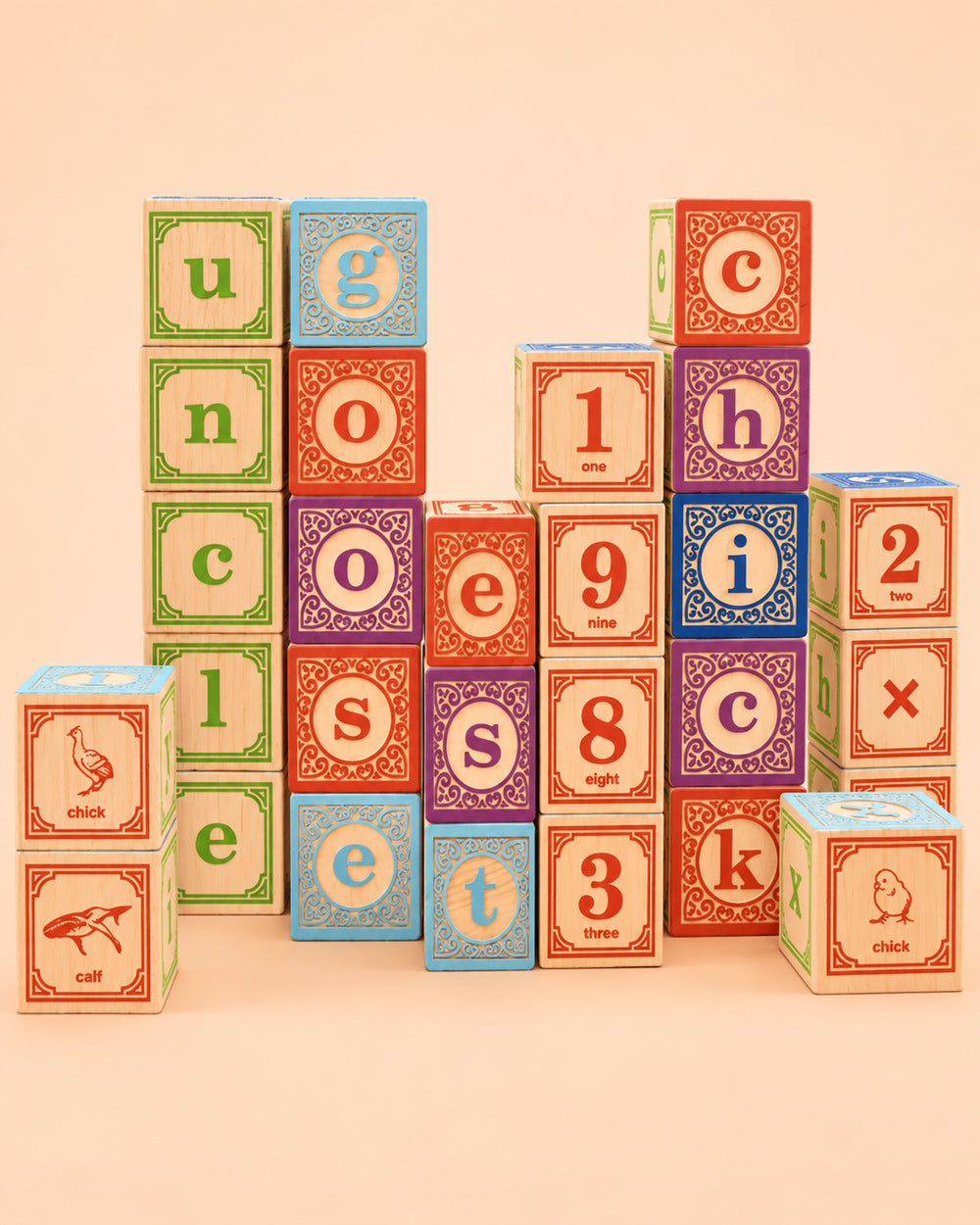
Uncle Goose | Classic Lowercase ABC Blocks
Sale price$69.00 SGD
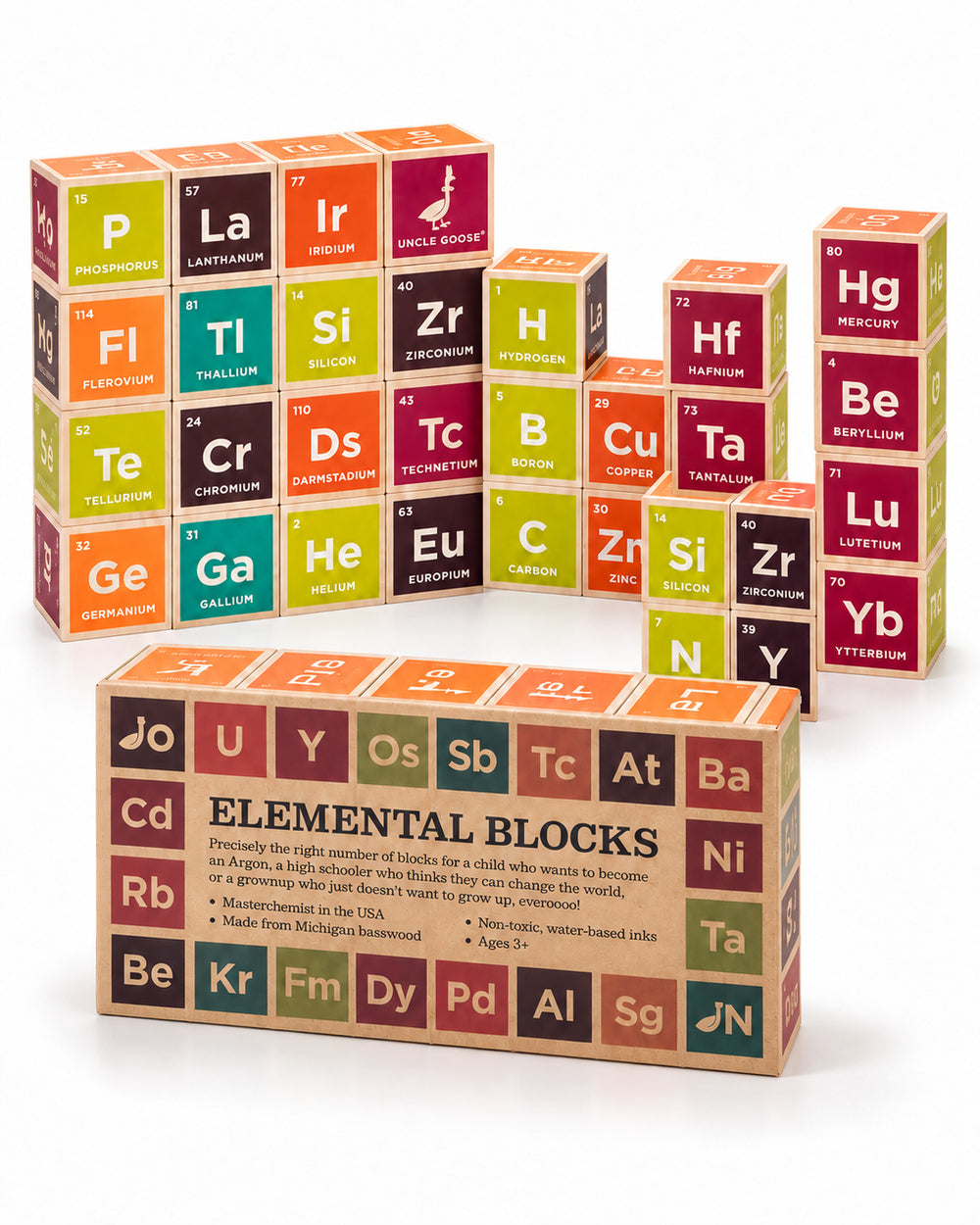
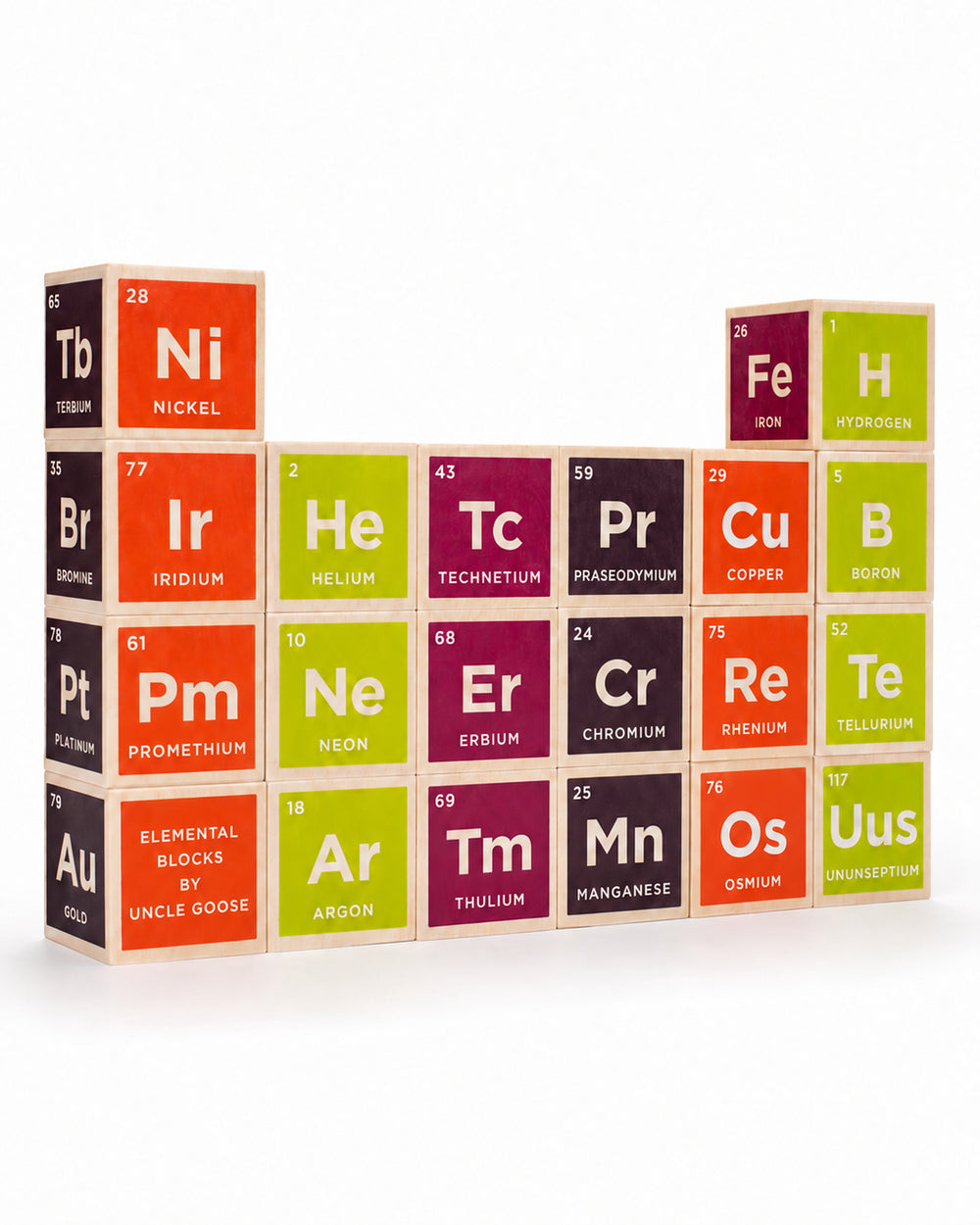
Uncle Goose | Elemental Blocks
Sale price$65.00 SGD
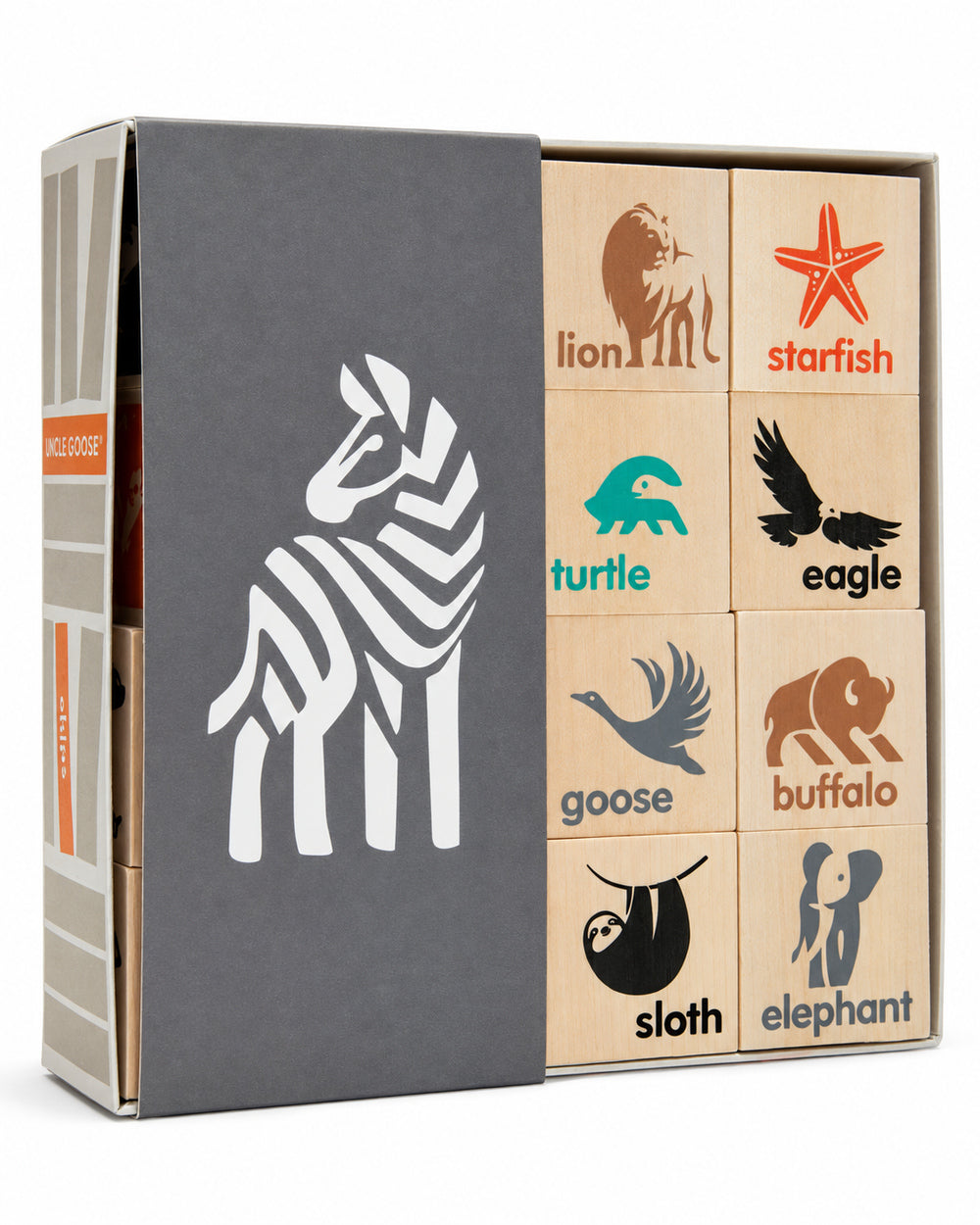
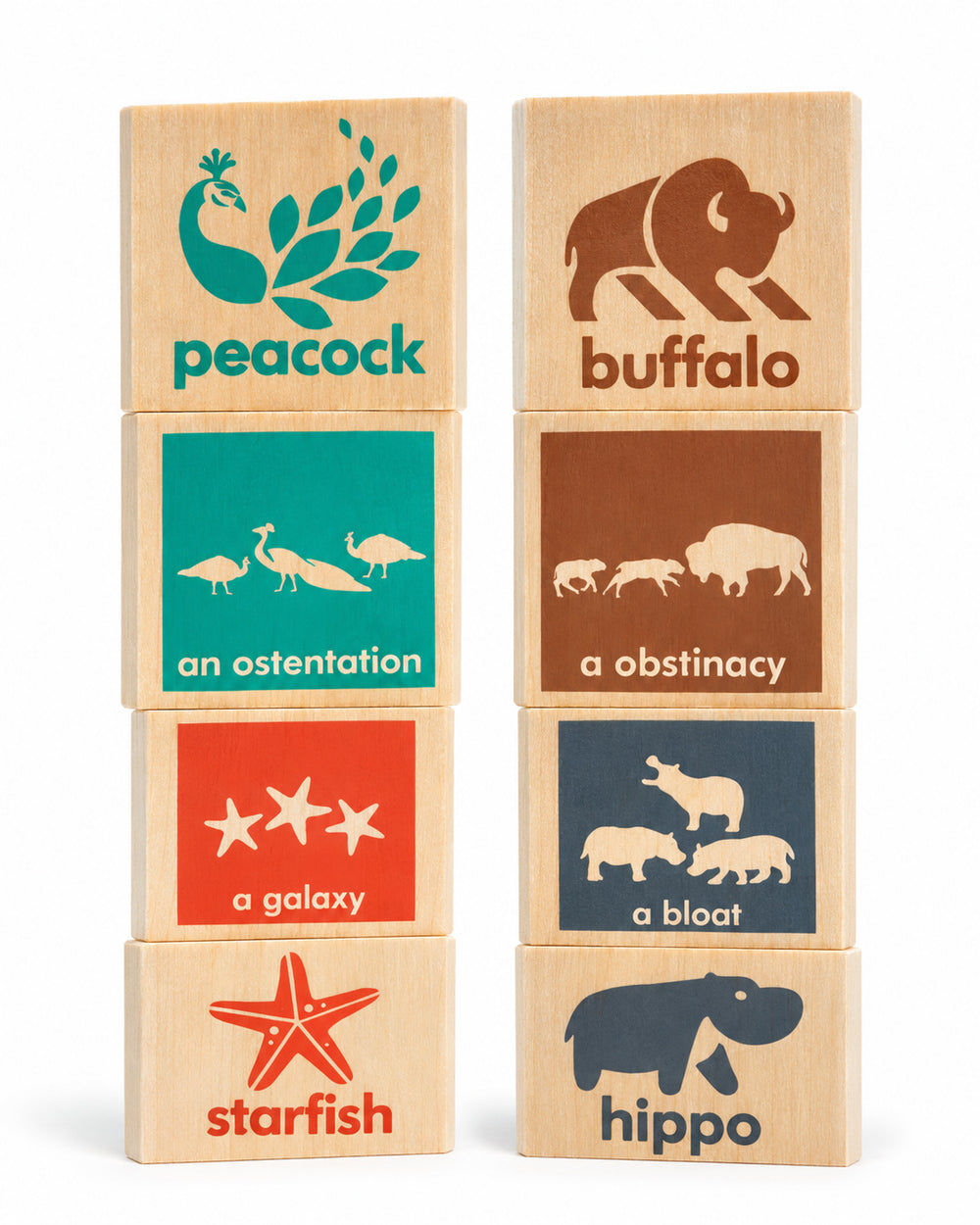
Uncle Goose | Collective Nouns Chips in English
Sale price$52.00 SGD
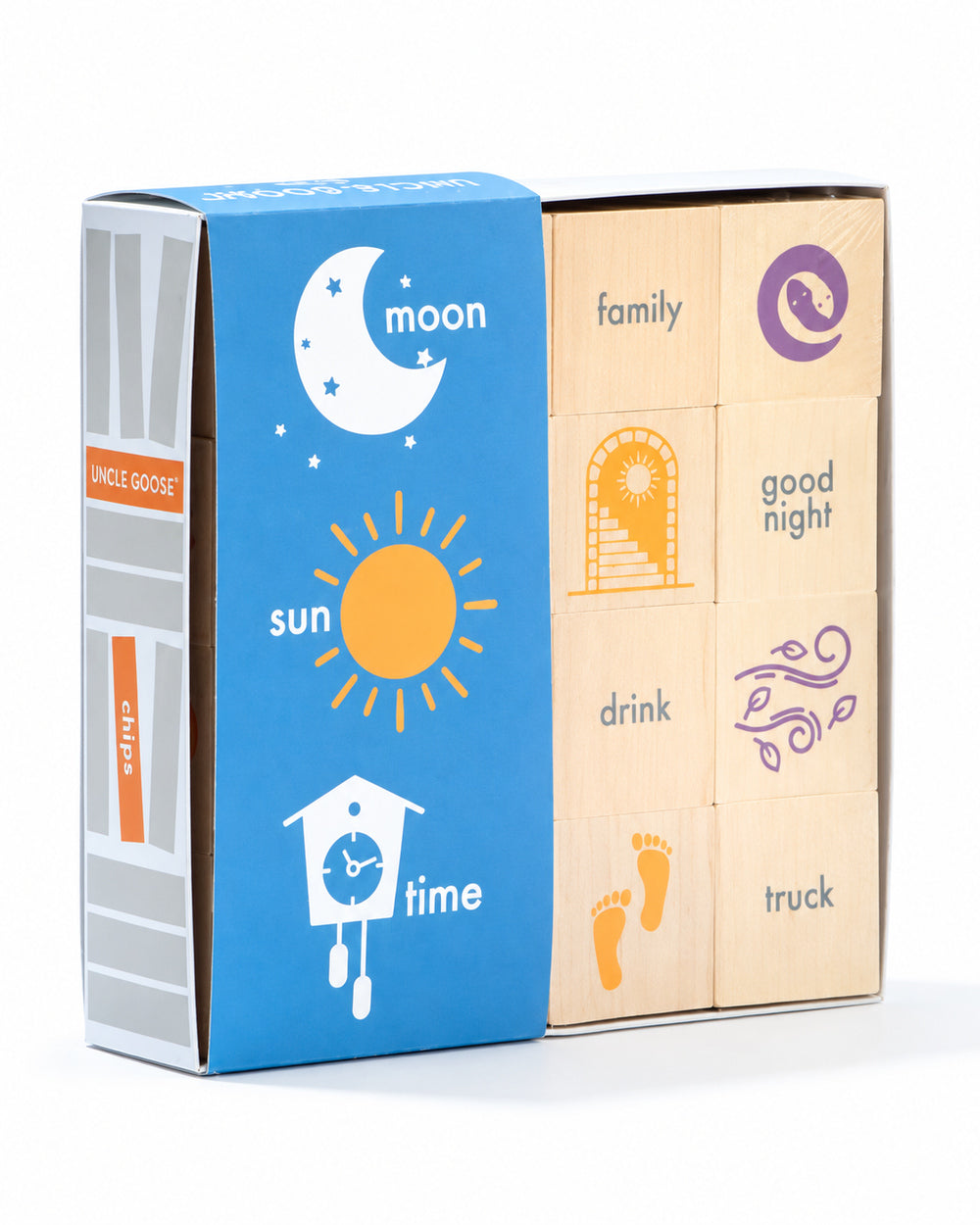
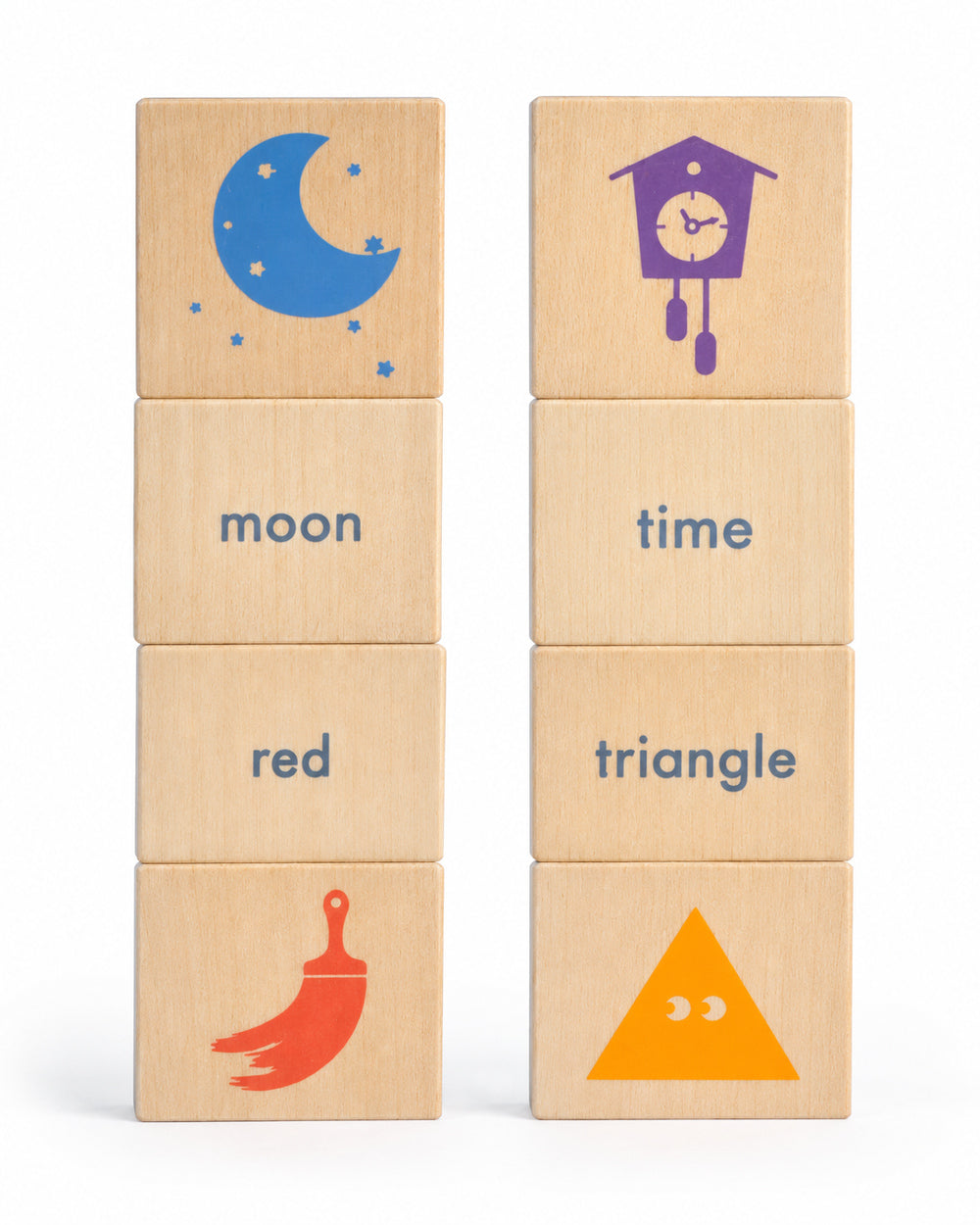
Uncle Goose | Vocabulary Flash Cards Chips in English
Sale price$52.00 SGD
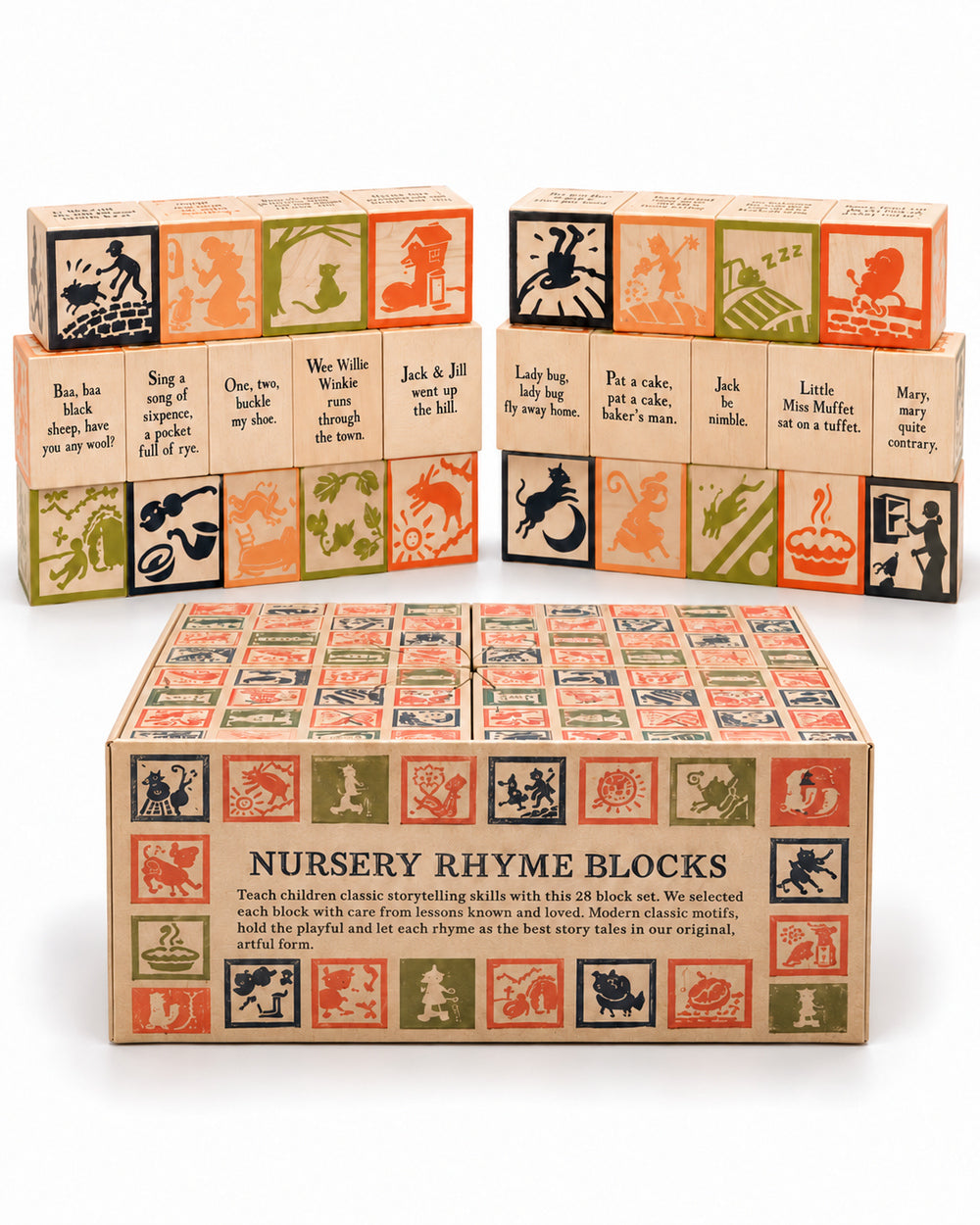
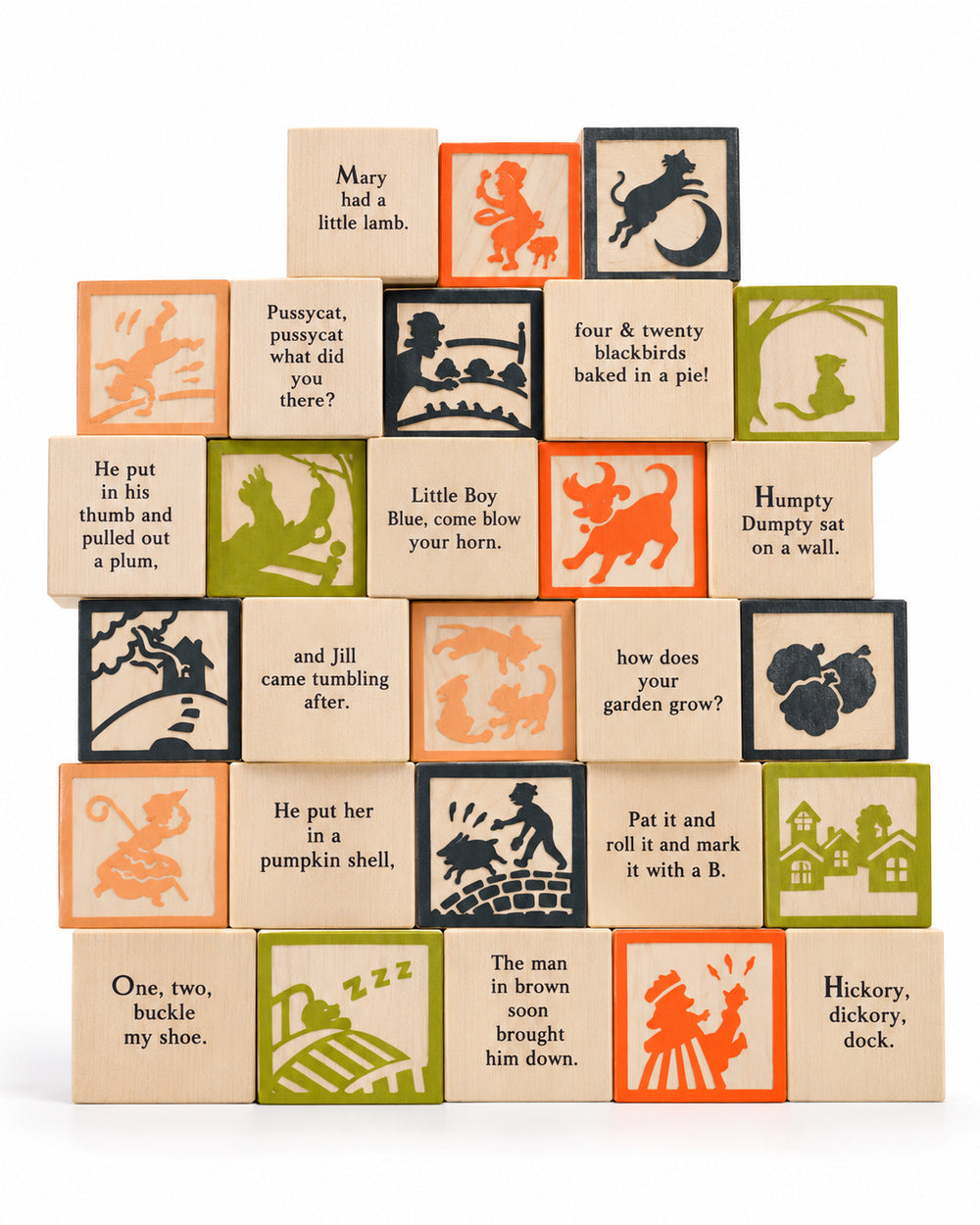
Uncle Goose | Nursery Rhyme Blocks
Sale price$75.00 SGD
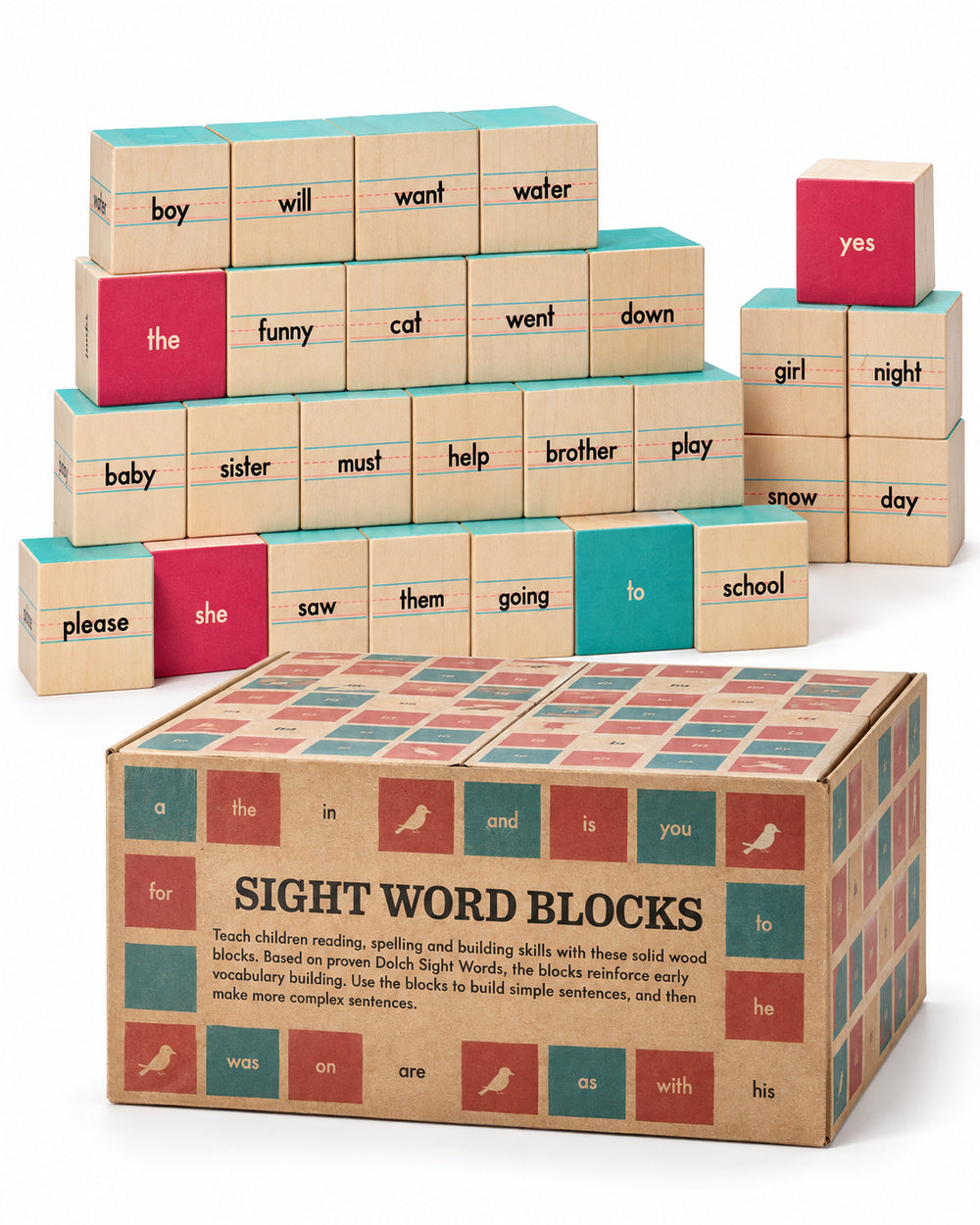
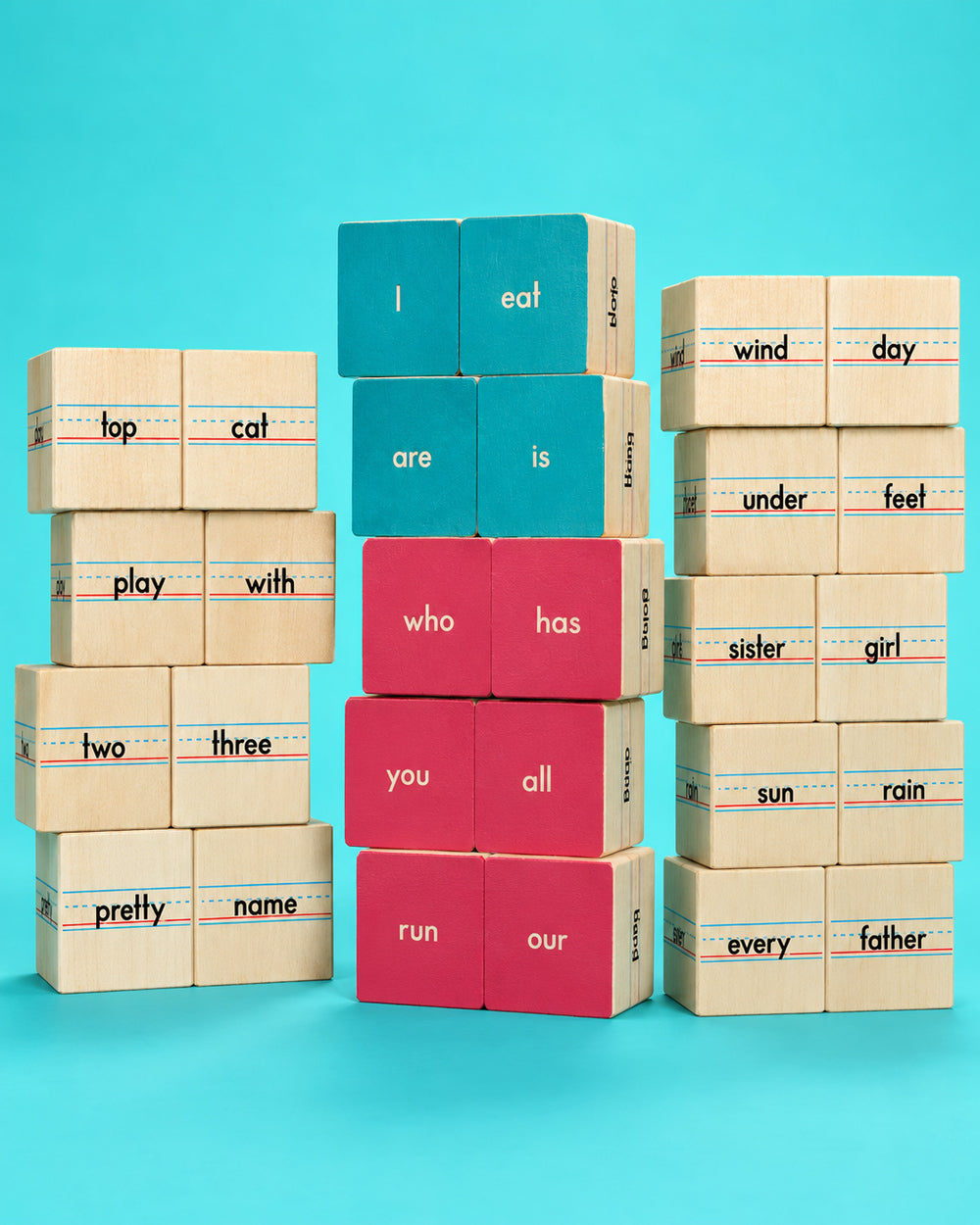
Uncle Goose | Sight Word Blocks
Sale price$75.00 SGD
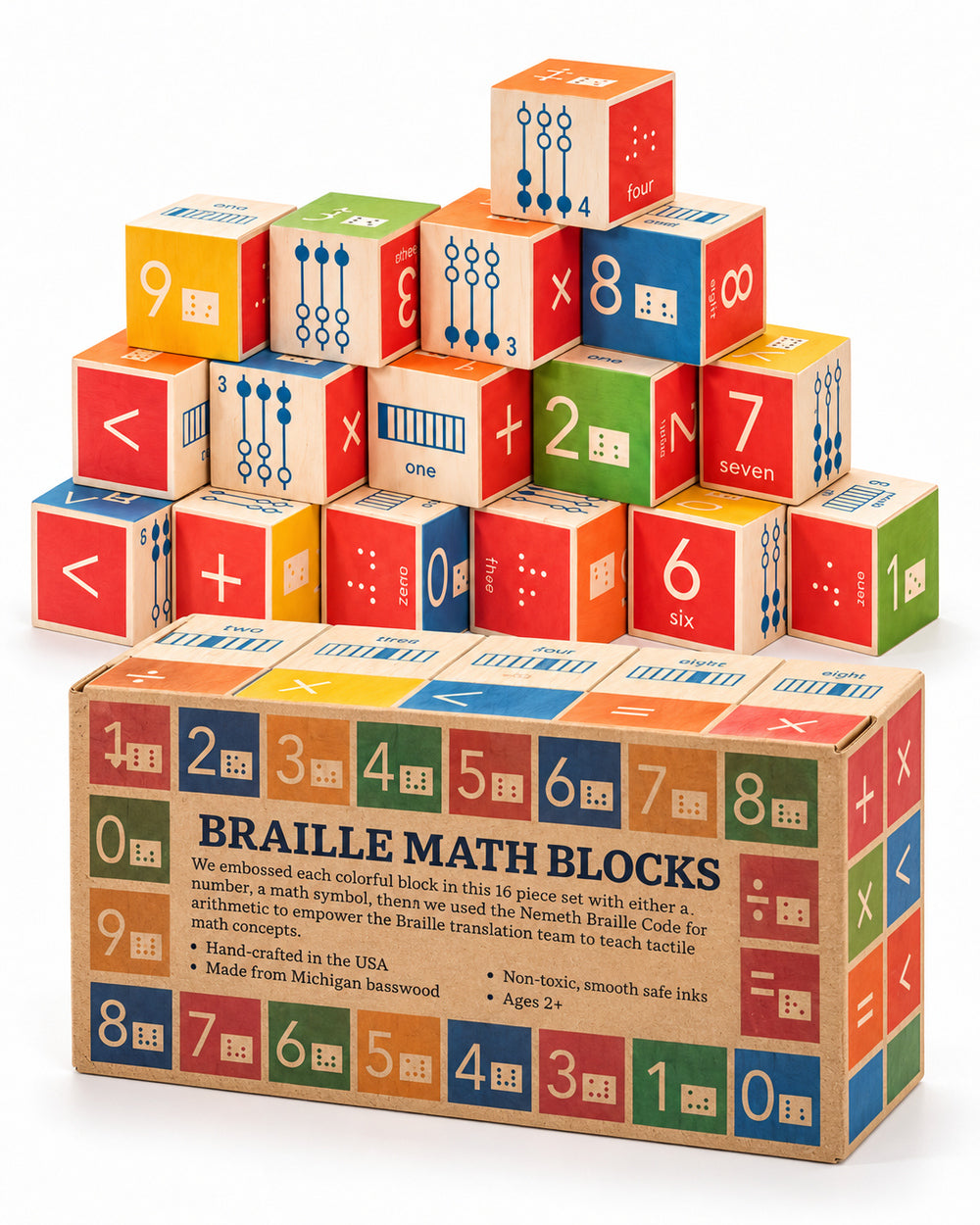
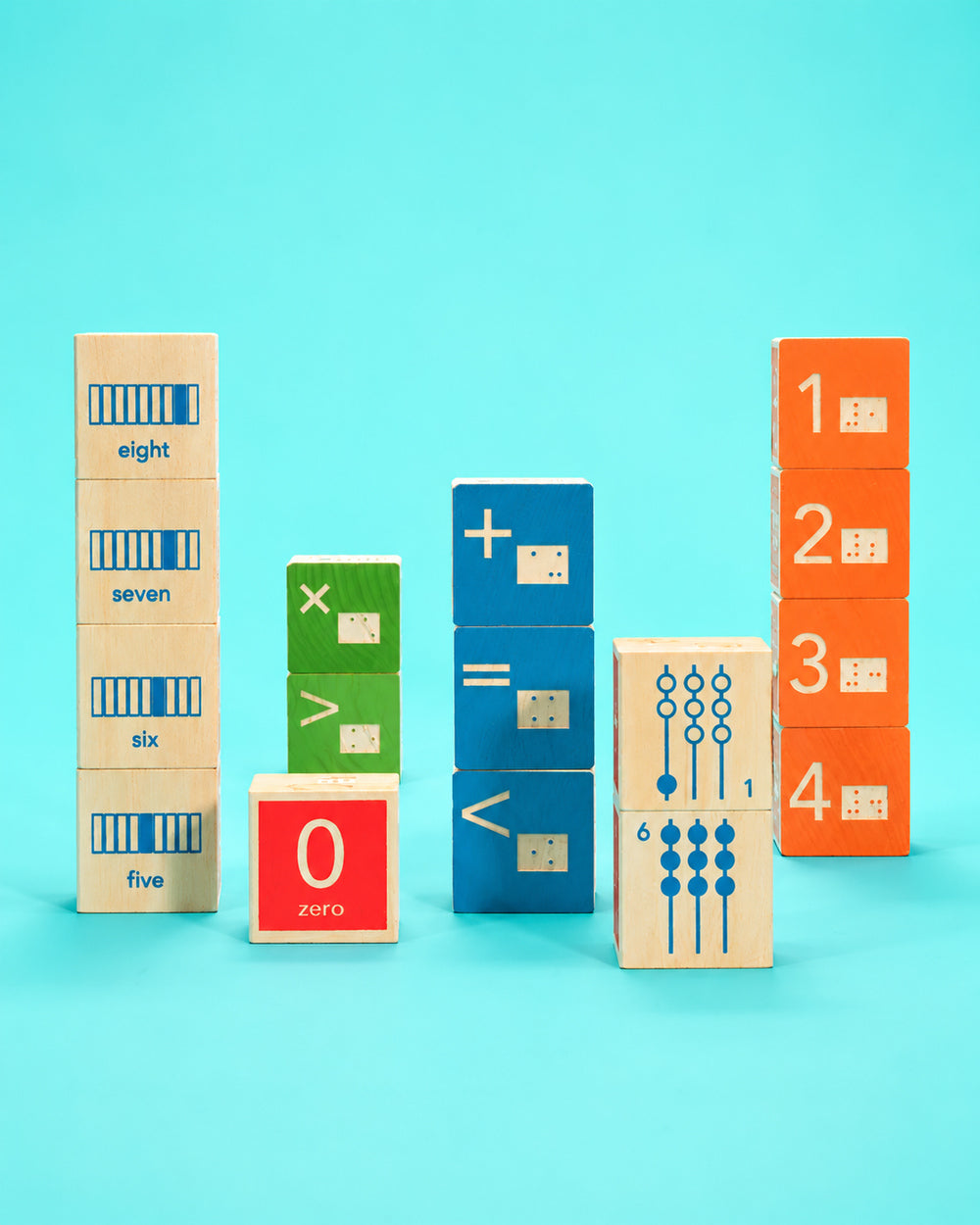
Uncle Goose | Braille Math Blocks
Sale price$45.00 SGD
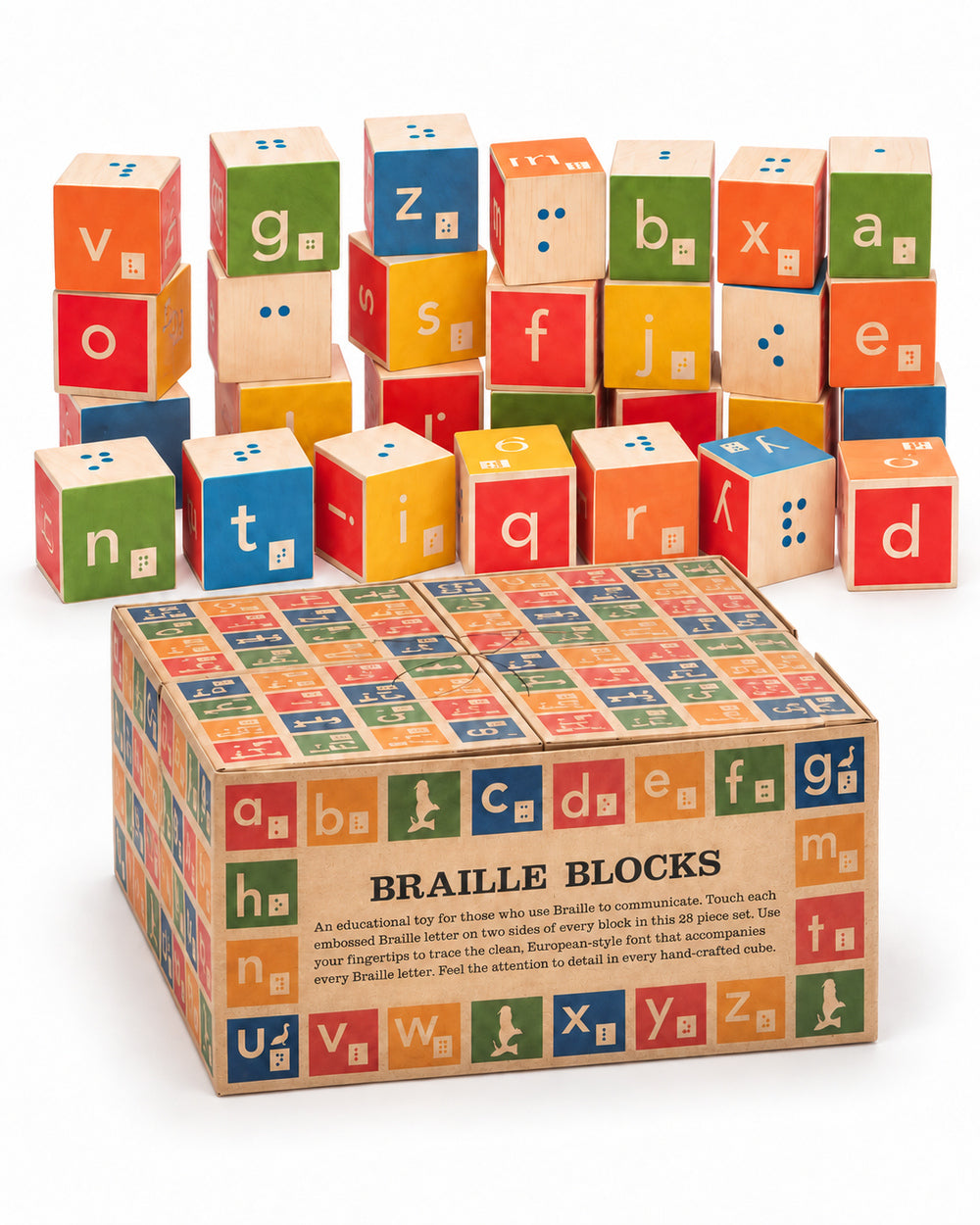
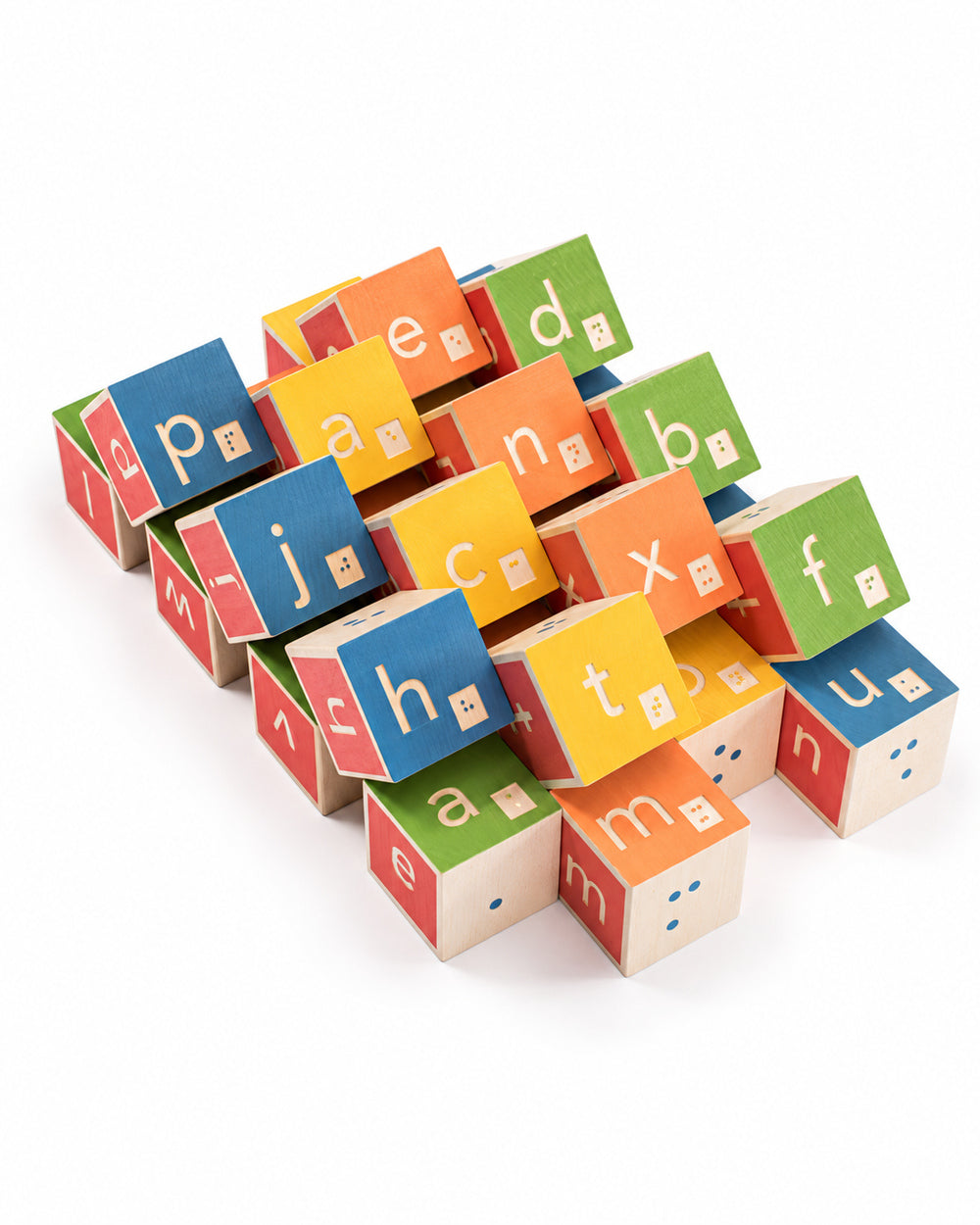
Uncle Goose | Braille Blocks
Sale price$75.00 SGD
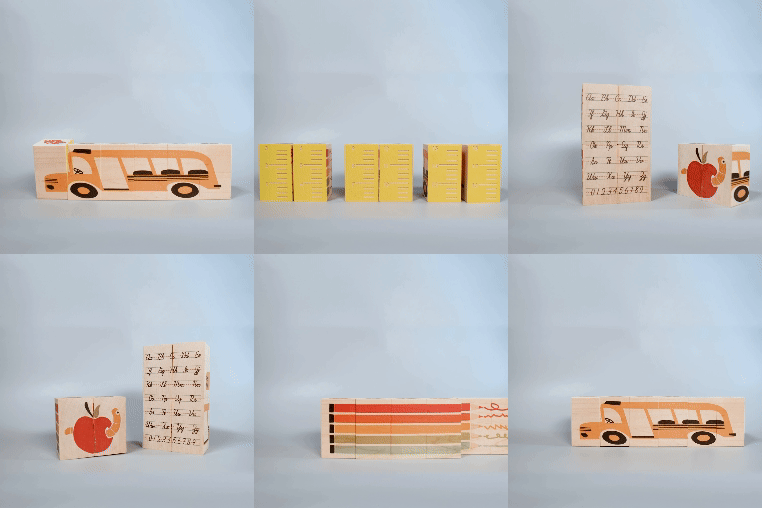
Meet Your Uncle Goose: More Than Just Toys
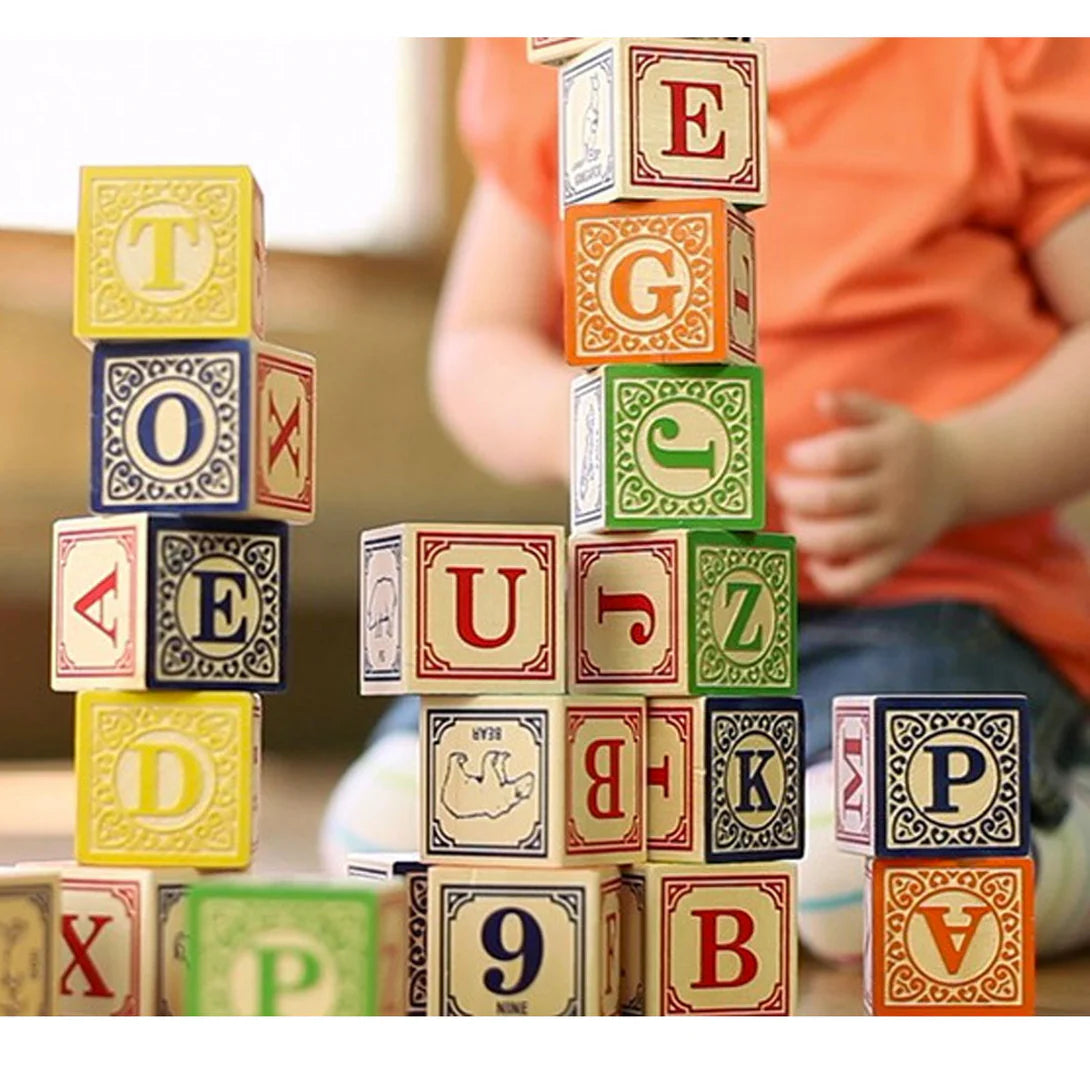
How Do You Play with Uncle Goose blocks?
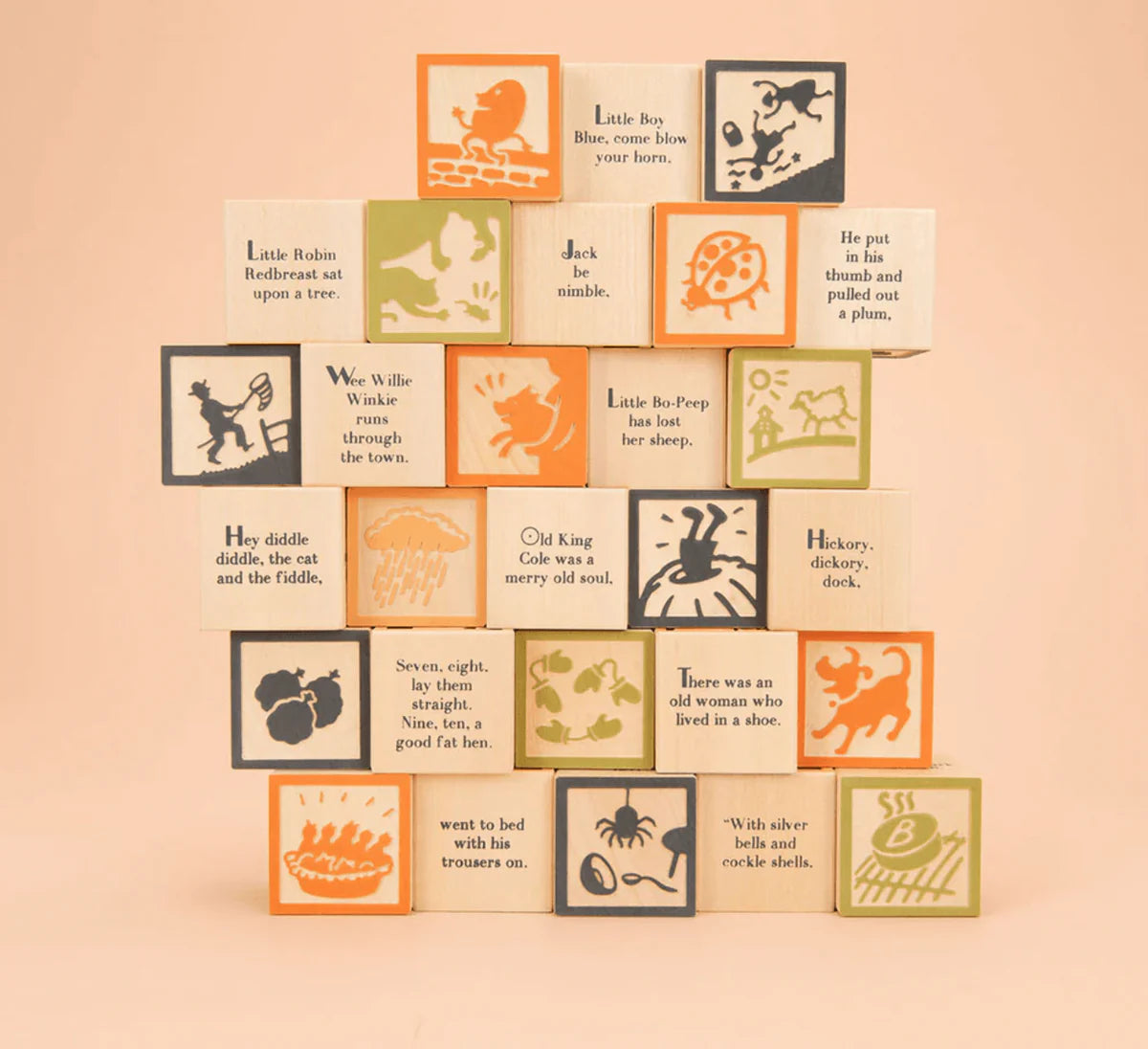
Why Block Play? Here Are The Benefits of Playing with Blocks:
Need help?