

Postpartum Essentials Checklist for New Mums
The first six weeks after birth are disorienting enough without also trying to figure out, mid-recovery, what you actually needed to have bought in advance. A well-thought-out postpartum essentials Singapore checklist takes one decision off your plate during a period when decision fatigue is already at its highest, letting you or whoever's supporting you simply reach for what's needed rather than running out at midnight. This guide breaks the essentials down by category so you can prepare ahead of your due date rather than scrambling afterward.
Physical Recovery Essentials
According to Singapore's HealthHub (Ministry of Health), postpartum bleeding, or lochia, commonly continues for four to six weeks after delivery, tapering gradually — a useful benchmark for stocking supplies. Regardless of delivery method, the first two weeks typically involve significant bleeding, soreness, and general physical depletion that most first-time mums underestimate going in. A perineal cleansing bottle for gentle rinsing after using the bathroom is one of the most frequently cited "wish I'd bought this sooner" items, particularly for vaginal deliveries with any degree of tearing or stitches. High-absorbency postpartum pads, sized specifically for the heavier bleeding of the first days rather than standard menstrual pads, make a meaningful difference in comfort during that initial period. A supportive, breathable pair of postpartum underwear — sized larger than your pre-pregnancy size to accommodate swelling and pads comfortably — is worth having on hand rather than trying to source once you're already home and recovering.
For caesarean deliveries specifically, a few additional items matter: a C-section-friendly, high-waisted underwear style that sits above the incision, and a supportive but not overly tight abdominal binder if your care team recommends one, both to reduce direct pressure and friction on the healing site during the early weeks.
Feeding Essentials

Whether breastfeeding, formula feeding, or a mix of both, a few items reduce friction significantly in the early weeks. Nursing pads help manage leaking between feeds, particularly once milk supply is established around day three to five. For mothers dealing with sore or cracked nipples — extremely common in the first two to three weeks as both mother and baby learn feeding — nipple shields or protective cups can offer meaningful relief while healing occurs. A hands-free pumping option, even a basic one, matters more than most first-time parents expect if you plan to pump at all, since holding a traditional pump for extended sessions becomes tiring quickly during an already exhausting period.
Self-Care Essentials Often Overlooked
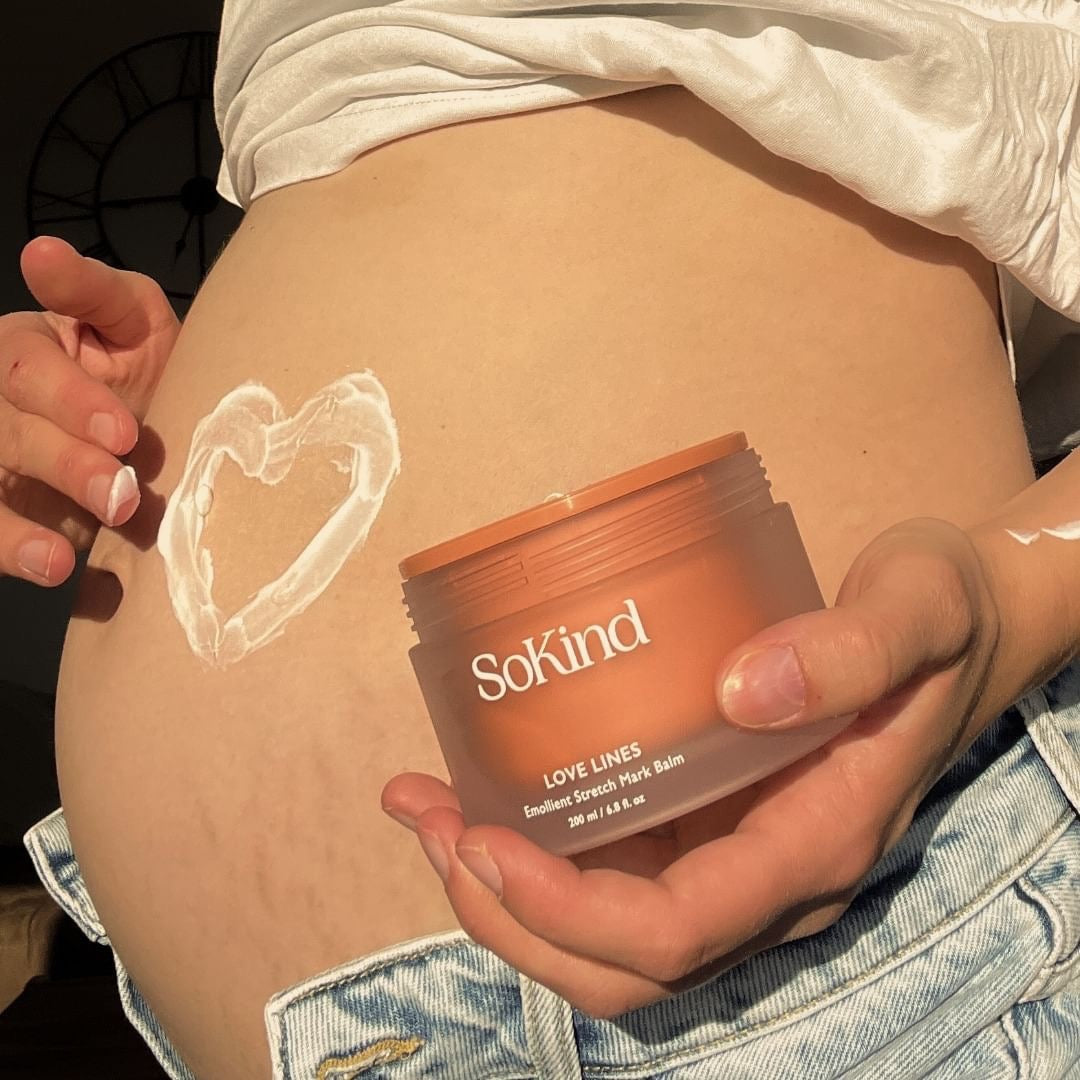
It's easy to focus entirely on baby-related purchases and forget that the postpartum body needs its own dedicated products. A gentle, fragrance-free stretch mark or scar cream can support skin recovery for mums managing visible stretch marks or a healing C-section scar, and starting a consistent, simple routine early tends to matter more than the specific product used. A good dry brush or gentle exfoliating tool, used carefully once cleared by your care provider, can help with circulation and skin texture as your body continues adjusting in the weeks after delivery.
Sleep — or the profound lack of it — is arguably the biggest self-care gap in the postpartum period. While no product replaces actual rest, small comfort items like a supportive nursing pillow that doubles as back support while sitting up for night feeds, or a simple eye mask for daytime naps when baby sleeps, can meaningfully improve the quality of whatever rest you do get.
Setting Up a Postpartum Station at Home
Rather than storing recovery items scattered across the bathroom and bedroom, many mums find it far easier to set up one dedicated station — a basket or drawer within arm's reach of wherever they spend most of their recovery time — stocked with pads, the perineal bottle, nipple cream, and a water bottle. This small setup decision removes the need to get up repeatedly during a period when movement is genuinely uncomfortable, and it's worth assembling before your due date rather than during the first sleep-deprived days home.
Our postpartum care essentials collection groups most physical recovery items in one place, simplifying the pre-birth shopping list compared to sourcing each item separately.
Building or Buying a Postpartum Kit
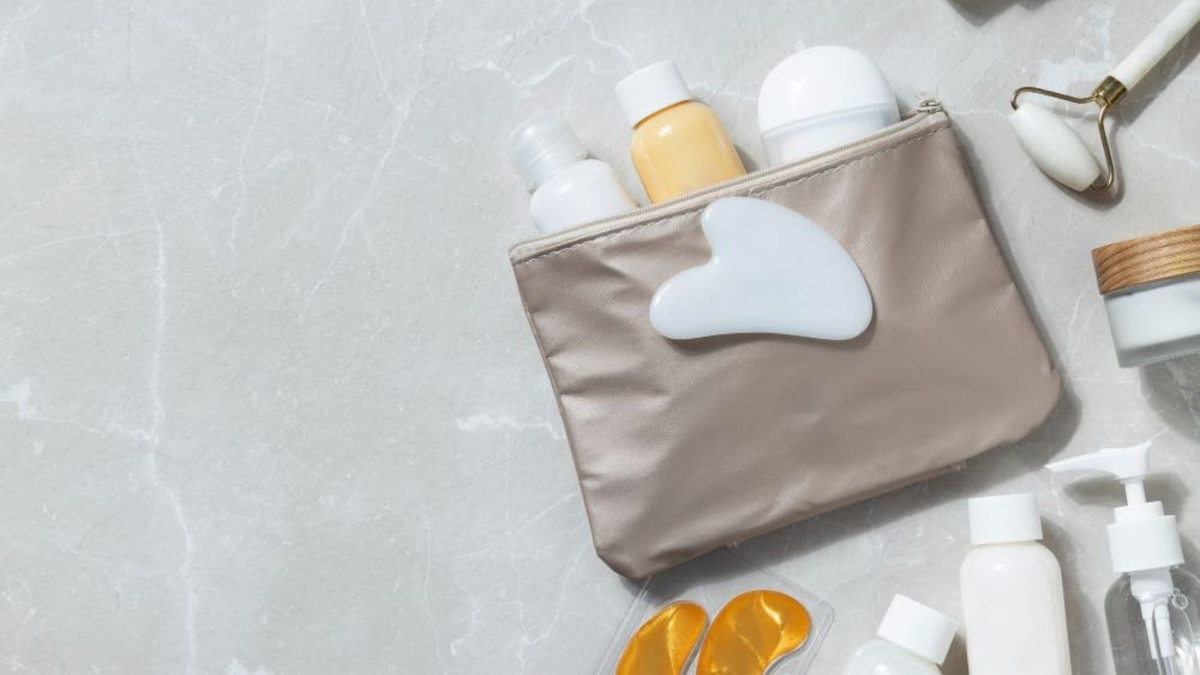
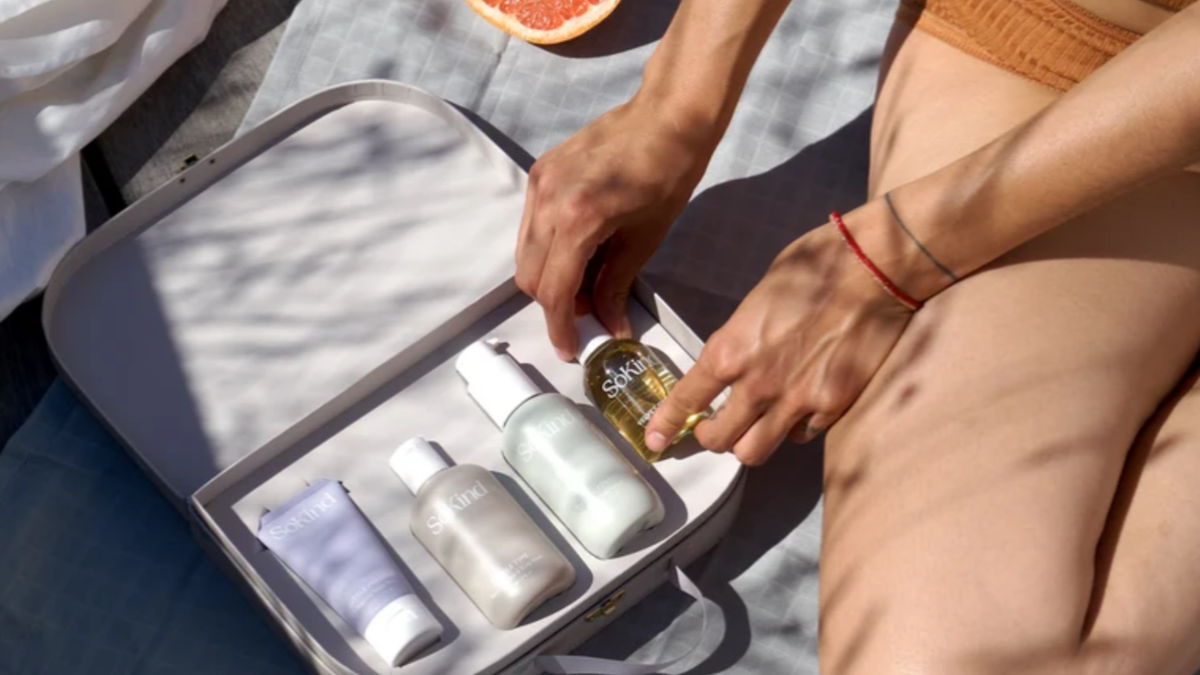
Assembling every item individually before your due date can feel like its own project on top of everything else you're preparing. Some families prefer to buy a curated postpartum recovery gift box instead — either for themselves ahead of time or as something to suggest to family members who ask what would actually help. A ready-made set typically bundles the highest-use recovery items together, which removes the guesswork of sourcing each product separately during the final, more tiring weeks of pregnancy when time and energy are both limited.
If you do go the DIY route, it's worth resisting the urge to over-buy specialty items you're unsure you'll actually use — most experienced mums recommend starting with the core recovery basics, then adding anything specific to your own delivery or recovery once you have a clearer sense of what you personally need in the first week home.
When to Involve Your Support Person
A postpartum checklist works best when it isn't just for you — sharing it with a partner, parent, or confinement nanny ahead of time means someone else knows exactly where supplies are and what to restock without needing to ask you directly during an already overwhelming week. Consider printing or sharing a simple version of your checklist so restocking becomes someone else's task entirely during the first two to three weeks.
Confinement Considerations in Singapore
Many Singapore families follow some version of a traditional confinement period, whether formally with a confinement nanny or informally with extended family support. If this applies to you, it's worth discussing your checklist with whoever will be helping during this period in advance, since confinement practices sometimes come with their own preferred products or restrictions around what's used on the body during recovery — aligning expectations before delivery avoids friction during an already sensitive time.
Frequently Asked Questions
How long does postpartum bleeding typically last?
Postpartum bleeding (lochia) commonly lasts around four to six weeks, though it's generally heaviest in the first week and gradually tapers. Any sudden increase in bleeding after it has already lightened is worth discussing with your care provider promptly.
Do I need different products for a C-section versus vaginal delivery?
Some items overlap for both, but C-section recovery specifically benefits from high-waisted underwear that avoids pressure on the incision, and gentler movement aids like a supportive pillow for getting in and out of bed.
When should I start using stretch mark or scar cream?
Many mums start as soon as their care provider confirms the area has healed enough for gentle product use, often within the first couple of weeks, though this varies by delivery type and individual healing.
Is a nursing pillow really necessary?
It's not strictly essential, but many mums find it genuinely useful for positioning during feeds. The American College of Obstetricians and Gynecologists notes that adequate rest and support during the postpartum period play a meaningful role in physical recovery, which is part of why many parents prioritise comfort items for night feeds.
What's the single most-forgotten postpartum item?
A perineal cleansing bottle is one of the most commonly forgotten items on first-time checklists, despite being one of the most frequently used in the first two weeks after a vaginal delivery.
Final Thoughts
Building your postpartum essentials checklist before your due date means one less thing to think about during a genuinely overwhelming first few weeks. Browse our postpartum care essentials collection to stock up on recovery items in advance, or explore SavvyMamaSG's full range of curated baby and mummy products.
Ready to prepare for recovery? Shop postpartum care essentials today.
REFERENCES:
1. HealthHub Singapore. (2023). Postpartum Recovery: What to Expect. Ministry of Health Singapore. https://www.healthhub.sg/live-healthy/postpartum-recovery
2. American College of Obstetricians and Gynecologists. (2023). Postpartum Care. ACOG.org. https://www.acog.org/womens-health/faqs/postpartum-care


Leave a comment
This site is protected by hCaptcha and the hCaptcha Privacy Policy and Terms of Service apply.