
Baby Skincare in Singapore's Humid Climate: What Actually Works
Baby skincare Singapore parents rely on often gets bought based on what worked for a friend overseas, or what a brand markets heavily — without accounting for the fact that Singapore's year-round heat and humidity change how a baby's skin behaves compared to a drier or more temperate climate. What soothes irritation in a cooler country can sometimes make heat rash worse here, and vice versa. This guide covers how humidity actually affects baby skin, which ingredients to look for or avoid, and a simple routine that works with Singapore's climate rather than against it.
How Humidity Affects Baby Skin Differently
Babies have thinner, more permeable skin than adults, which means both moisture loss and moisture absorption happen faster — a relevant fact given that Singapore's National Environment Agency reports average relative humidity typically ranging between 70% and 80% year-round. On one hand, this can mean baby skin dries out less than in an air-conditioned, dry environment. On the other hand, constant sweat and trapped moisture in skin folds (neck, behind knees, underarms) creates ideal conditions for heat rash, chafing, and fungal or yeast overgrowth, all of which are more common complaints among Singapore parents than dry, flaky skin.
Air conditioning complicates this further. Many Singapore homes run air conditioning heavily, especially overnight, which creates a genuinely drier micro-environment indoors even while it's humid outside — meaning a baby who spends most of the day in air-conditioned rooms may actually experience more dryness than the outdoor climate would suggest, particularly around the cheeks and hands. This mismatch between indoor and outdoor conditions is part of why a single, one-size-fits-all skincare routine often falls short here, and why adjusting products slightly between daytime outdoor exposure and evening indoor air conditioning tends to work better for many families.
Ingredients Worth Looking For

For general daily moisturising, look for humectants like glycerin and hyaluronic acid, which draw moisture into the skin without the heavier, occlusive feel of thick petroleum-based balms that can worsen heat rash if overused in humid conditions. Ceramides support the skin's natural barrier function and are generally well tolerated even in sensitive or eczema-prone babies. For nappy area care specifically, zinc oxide remains one of the best-studied and most effective ingredients for both preventing and treating nappy rash, forming a physical barrier against moisture and friction.
Fragrance-free formulations are worth prioritising broadly, not just for babies with diagnosed sensitivities, since fragrance is one of the most common irritant triggers in infant skincare generally, and Singapore's heat can make any mild irritation feel and look worse due to increased sweating in the affected area.
Ingredients and Habits to Avoid or Limit
Heavy, occlusive oils and thick creams applied all over the body can trap heat and sweat against the skin in Singapore's climate, which sometimes worsens rather than prevents heat rash — these are often better reserved for genuinely dry patches rather than applied as a full-body routine. Talcum powder, once a nursery staple, is now generally advised against for babies due to inhalation risk if powder becomes airborne near the face during application. Strongly fragranced baby products, including some "baby-scented" laundry detergents used on infant clothing, can also contribute to skin sensitivity over time, particularly in already humid, sweat-prone conditions.
Over-bathing is another habit worth reconsidering in this climate. While it feels intuitive to bathe more frequently when a baby seems sweaty, over-bathing can strip natural oils and disrupt the skin barrier — a lukewarm rinse or wipe-down between full baths is often more appropriate than a full bath every time a baby feels warm.
A Simple Routine for Singapore's Climate
A practical daily routine doesn't need to be complicated. In the morning, a light, non-greasy moisturiser on exposed areas (face, hands, arms) is usually sufficient, since the day's heat and humidity will keep skin from drying out significantly. After the evening bath, when skin is briefly more receptive to product absorption, a slightly richer but still fragrance-free moisturiser can help lock in hydration overnight, particularly in air-conditioned rooms. Throughout the day, keeping skin folds dry — a quick check and gentle dry after sweating episodes, rather than only at bath time — does more to prevent heat rash and chafing than any single product.
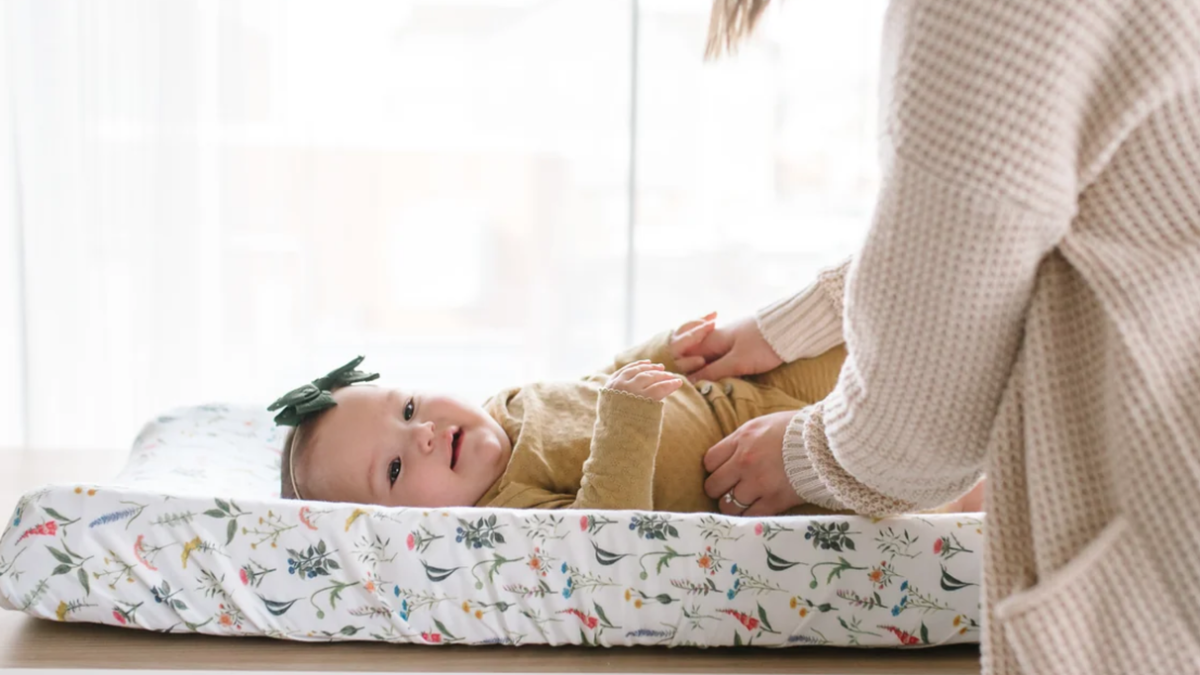
For nappy changes specifically, a barrier cream applied at every change, rather than only when redness is already visible, tends to prevent nappy rash more effectively than treating it after the fact.
Choosing Products by Skin Type
Not every baby's skin responds the same way to Singapore's climate, so it's worth adjusting the general routine above based on your own baby's tendencies. Babies who run "sweatier" or have visibly oilier skin often do better with lighter, gel-based moisturisers and more frequent skin-fold checks throughout the day. Babies with naturally drier or more sensitive skin, including those with a family history of eczema, may still need a slightly richer, ceramide-based moisturiser even in this climate, applied in thinner layers more frequently rather than one thick application. Patch-testing any new product on a small area for a day or two before full use remains a sensible habit regardless of how "gentle" a product claims to be on its packaging.
When to See a Doctor
The American Academy of Dermatology notes that most heat rash and mild irritation resolves with simple adjustments — lighter clothing, more frequent skin-fold checks, less occlusive product use — within a few days. Persistent rash that doesn't improve, spreading redness, blistering, or signs of infection (increased warmth, pus, fever) warrant a visit to a paediatrician or dermatologist rather than continued home management, since these can indicate a fungal infection or other condition requiring specific treatment rather than general skincare adjustments.
Frequently Asked Questions
Why does my baby get heat rash even with regular showers?
Heat rash comes from trapped sweat in skin folds and pores, not from lack of cleanliness — frequent showers alone don't prevent it if skin folds aren't also kept dry between washes and clothing remains too heavy for the climate.
Is coconut oil good for baby skin in Singapore's humidity?
Coconut oil can be comedogenic and occlusive for some babies, potentially worsening heat rash if applied broadly in humid conditions, so it's often better used sparingly on genuinely dry patches rather than as an all-over daily moisturiser here.
Should I moisturise my baby less if the weather is humid?
Not necessarily less overall, but lighter, non-occlusive formulations are generally more appropriate than thick balms during Singapore's hot, humid months, reserving richer products for genuinely dry areas.
What's the difference between heat rash and eczema?
Heat rash typically appears as small, red bumps in sweat-prone areas and improves quickly once the skin is cooled and dried, while eczema tends to be more persistent, itchy, and often appears on the same recurring patches regardless of temperature — a paediatrician can help distinguish between the two if you're unsure.
Are Singapore-formulated baby skincare products actually different from imported ones?
Not always by ingredient list alone, but products developed or tested with tropical, high-humidity conditions in mind are more likely to prioritise lighter, non-occlusive formulations suited to daily use in Singapore's climate specifically.
Final Thoughts
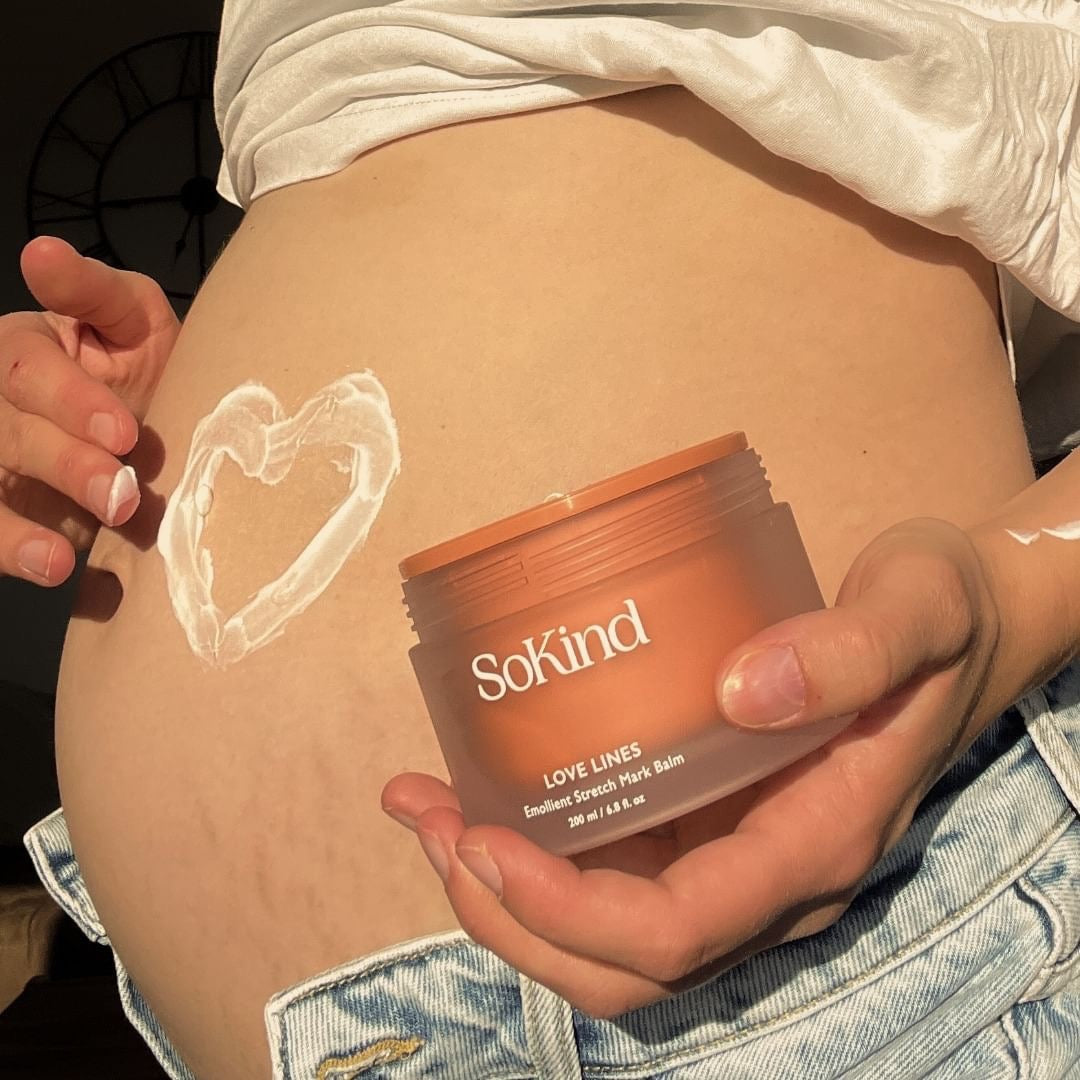
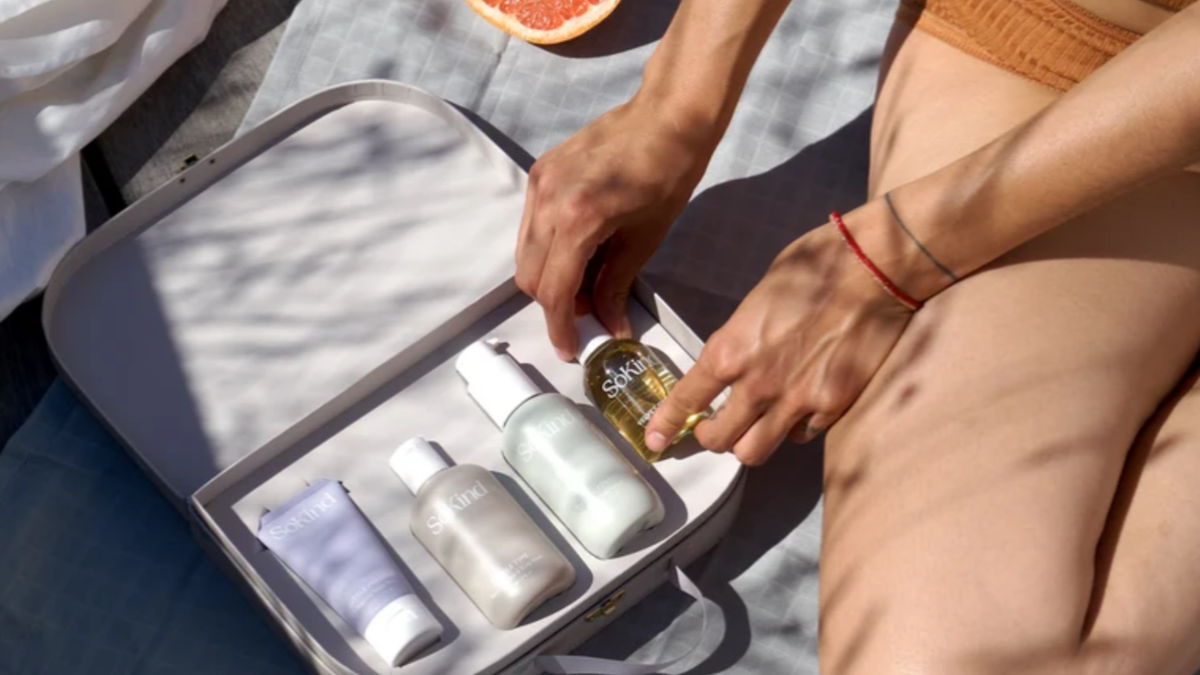
Choosing baby skincare that accounts for Singapore's heat and humidity — lighter formulations, fragrance-free ingredients, and consistent skin-fold care — does more for comfort than simply following overseas skincare trends. Browse our SoKind skincare collection for climate-considered formulations, or explore SavvyMamaSG's full range of baby and mummy essentials.
✨ Ready for skincare that works with our climate? Shop SoKind now.
REFERENCES:
1. National Environment Agency. (2024). Climate of Singapore. NEA. https://www.nea.gov.sg/weather/climate-of-singapore
2. American Academy of Dermatology. (2023). Heat Rash: Signs and Symptoms. AAD.org. https://www.aad.org/public/everyday-care/skin-care-basics/heat/heat-rash

Leave a comment
This site is protected by hCaptcha and the hCaptcha Privacy Policy and Terms of Service apply.