

Confinement in Singapore: What to Prepare for the First 30 Days
Confinement remains a meaningful tradition for many families here, and preparing for it well can make the first month with a newborn calmer for everyone. Whether you plan to follow every custom or adapt them to modern life, having your confinement essentials in Singapore sorted before your due date means you can focus on resting, feeding and bonding. This guide covers local confinement practices, a practical confinement checklist, how to prepare for physical recovery and feeding, and how partners can help.
Understanding Confinement Practices in Singapore
Confinement is widely practised in Singapore. A study of mothers in the GUSTO birth cohort, published in the journal Birth, found that most followed confinement practices in the first three weeks after delivery, including 96.4% of Chinese, 92.4% of Malay and 85.6% of Indian mothers, although the specific practices differed between groups.
For many Chinese families, confinement lasts about 30 days and centres on warming foods such as ginger, sesame oil and herbal soups, rest at home and avoiding cold drinks. HealthHub notes that Malay confinement traditionally lasts 44 days and encourages "heating" foods while avoiding "cooling" ones, with some mums taking jamu or herbal tonic drinks. Many Indian families observe a period of around 40 days with special diets and massages.
Not every practice is grounded in evidence. HealthHub's article on confinement myths points out that many traditional practices have never been scientifically proven, and that massages and heat therapies should be done in moderation and delayed for a month after a caesarean to protect the healing wound. Many mums today keep the customs that feel supportive and adapt the rest, such as taking warm showers and using air-conditioning in moderation.
Your Confinement Checklist

For Your Recovery
- Maternity pads in a few different absorbencies.
- Disposable or high-waisted postpartum underwear.
- Perineal care items such as a peri bottle and cooling pads.
- Comfortable, breathable loungewear.
- A PeaPodMat waterproof bed mat to protect the mattress on heavier bleeding days.
Good postpartum care in Singapore's heat starts with having these basics ready before delivery, which saves stressful shopping trips later on. Browse our postpartum care essentials for recovery items picked for Singapore mums. Pack them into a bedside basket so everything stays within easy reach.
For Feeding
- Nursing bras and nursing-friendly tops.
- Nipple cream and breast pads.
- A breast pump, milk storage bags and bottles if you plan to express.
- A large water bottle and easy snacks by your feeding spot.
- Burp cloths and a nursing pillow.
For Baby
- Newborn diapers and fragrance-free wipes.
- Swaddles, cotton sleepsuits and light blankets.
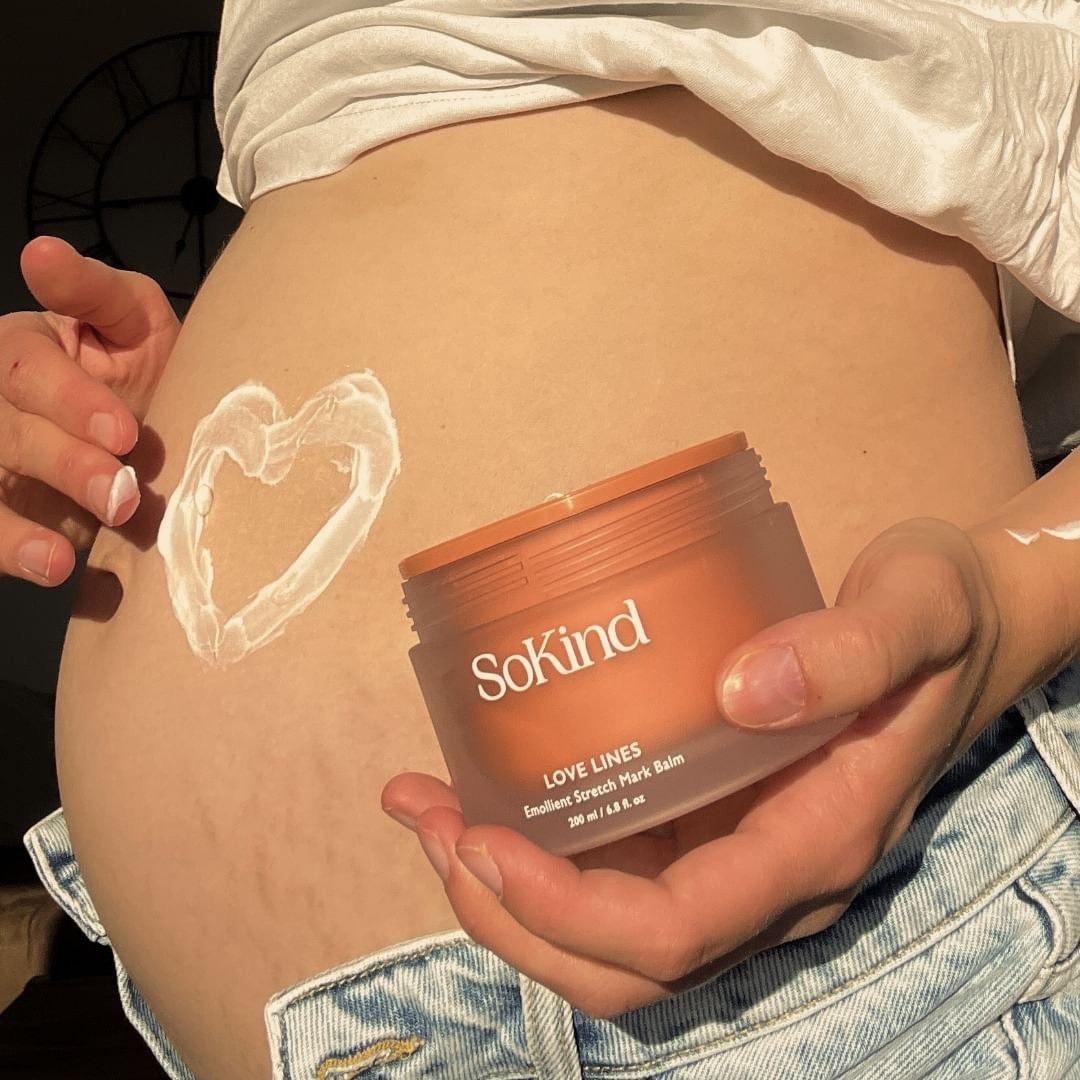
- A mild baby wash and gentle SoKind baby and mum skincare.
- An ergonomic baby carrier for settling fussy evenings.
For the Home
- Confinement meal delivery or a confinement nanny arranged in advance.
- Frequently used items moved to waist height to limit bending.
- A phone charger, water and snacks at every feeding spot.
Setting Up Your Home Before Baby Arrives
Small changes to your home make confinement far easier. Set up a feeding station in the bedroom with a comfortable chair or a supportive pillow on the bed, a side table, soft lighting for night feeds and a basket of essentials within arm's reach. Prepare a nappy-changing area at waist height so you are not bending over a low bed while your body heals. If your home has stairs, keep a second set of supplies on each level to limit trips up and down.
Preparing for Physical Recovery
Your body needs time to heal after birth. Bleeding usually continues for several weeks, starting heavy and gradually lightening, and recovery from a caesarean or perineal tear needs extra care. Rest as much as you can, keep stairs and heavy lifting to a minimum, and attend your postnatal check-up. Seek medical advice promptly if you develop a fever, very heavy bleeding with large clots, foul-smelling discharge, or redness and pain around a wound.
Singapore's heat makes staying comfortable during confinement a real challenge. Breathable cotton clothing, light bedding and good ventilation all help, and a fan or moderate air-conditioning is reasonable as long as you avoid sitting directly in a cold draught.
Nutrition and Feeding
Confinement food traditionally centres on nourishing, warming dishes such as fish soup, ginger chicken, pig's trotters in black vinegar and red date tea. Alongside these, aim for protein, iron-rich foods, vegetables and plenty of fluids, especially if you are breastfeeding in hot weather. If you plan to take herbal tonics or traditional remedies, check with your doctor first, particularly if you are breastfeeding or on medication.
Breastfeeding can take time to establish, so be patient with yourself and your baby. Ask your hospital's lactation consultant for support in the first few days, and seek help early if feeding is painful.
The Partner's Role
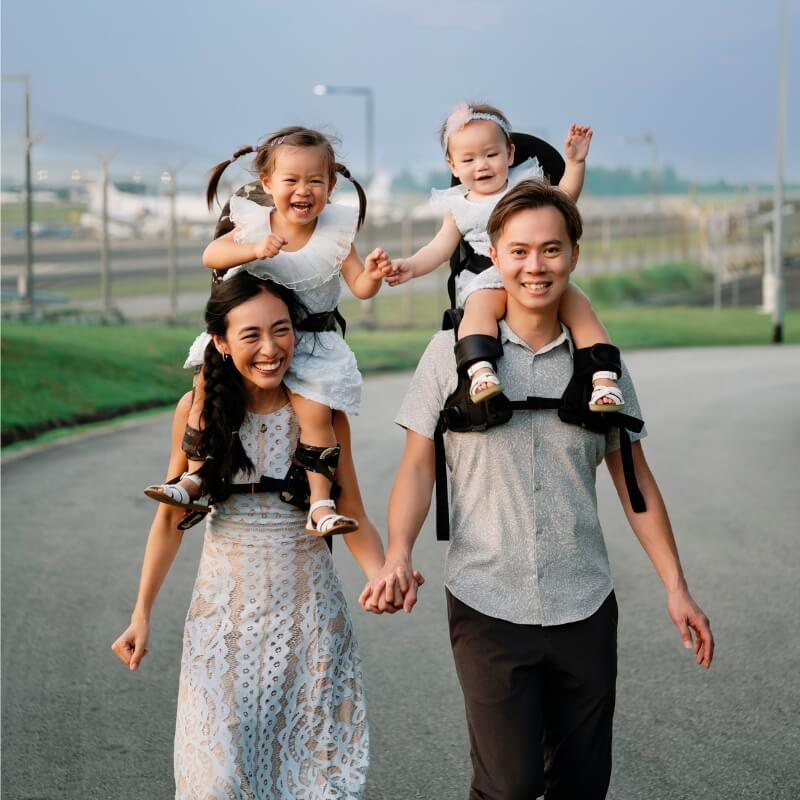
Partners play a big part in a smooth confinement. Practical ways to help include handling nappy changes and baths, burping and settling baby after feeds, managing visitors and family expectations, coordinating meals, and taking night shifts where possible so mum can sleep. Partners can also learn to settle baby in a carrier, and our guide to baby carrier safety and the T.I.C.K.S. rule Baby Carrier Safety: The T.I.C.K.S. Rule Every Singapore Parent Should Know is a helpful starting point.
If you are hiring a confinement nanny, book early, as experienced nannies are often reserved months in advance. Agree on duties, house rules and how traditional practices will be balanced with your own preferences before the nanny arrives.
Managing Visitors
Friends and relatives will be eager to meet the baby, but a steady stream of visitors can be exhausting during recovery. Agree with your partner on visiting times and how long visits should last, ask guests to wash their hands and stay away if they are unwell, and let one person handle messages and arrangements so you can rest. It is perfectly fine to postpone some visits until after confinement.
Looking After Your Emotional Health
Feeling teary, anxious or overwhelmed in the first couple of weeks is common and usually passes as you settle in. If low mood, anxiety or difficulty coping lasts longer than two weeks, or you have thoughts of harming yourself or your baby, speak to your doctor straight away. Asking for help is part of looking after your family.
Frequently Asked Questions
How long is confinement in Singapore?
It depends on cultural practice. Chinese confinement typically lasts about 30 days, Malay confinement traditionally lasts 44 days, and many Indian families observe around 40 days.
What should I buy for confinement?
Focus on recovery items such as maternity pads, postpartum underwear and perineal care, plus feeding supplies, newborn basics and comfortable clothing. Prepare them in your third trimester.
Can I shower during confinement?
Many mums today take warm showers during confinement, which is more practical in Singapore's humidity. Follow your doctor's advice on wound care if you had a caesarean.
When should I book a confinement nanny?
Experienced nannies are often booked months ahead, so start enquiring early in your pregnancy.
Is it okay to use air-conditioning during confinement?
Moderate air-conditioning or a fan is generally fine. Dress comfortably and avoid sitting directly in a cold draught.
Final Thoughts
Confinement is about giving your body time to heal and giving yourself space to bond with your baby. Preparing your checklist early takes the pressure off those first 30 days. Explore SavvyMamaSG for postpartum, feeding and newborn essentials chosen for Singapore mums.
Get confinement-ready. Shop postpartum care essentials at SavvyMamaSG today.
REFERENCES:
-
GUSTO Study Group. (2016). A Comparison of Practices During the Confinement Period among Chinese, Malay, and Indian Mothers in Singapore. Birth, via PubMed Central. https://pmc.ncbi.nlm.nih.gov/articles/PMC4992357
-
HealthHub. (2021). Malay Confinement Practices. Ministry of Health Singapore. https://healthhub.sg/live-healthy/malay_confinement_practices
-
HealthHub. (n.d.). Confinement Practices and Myths (Part 2). Ministry of Health Singapore. https://www.healthhub.sg/live-healthy/confinement_practices_and_myths_part2



Leave a comment
This site is protected by hCaptcha and the hCaptcha Privacy Policy and Terms of Service apply.